
Stop Comparing Old vs. Old. Welcome to 2026.
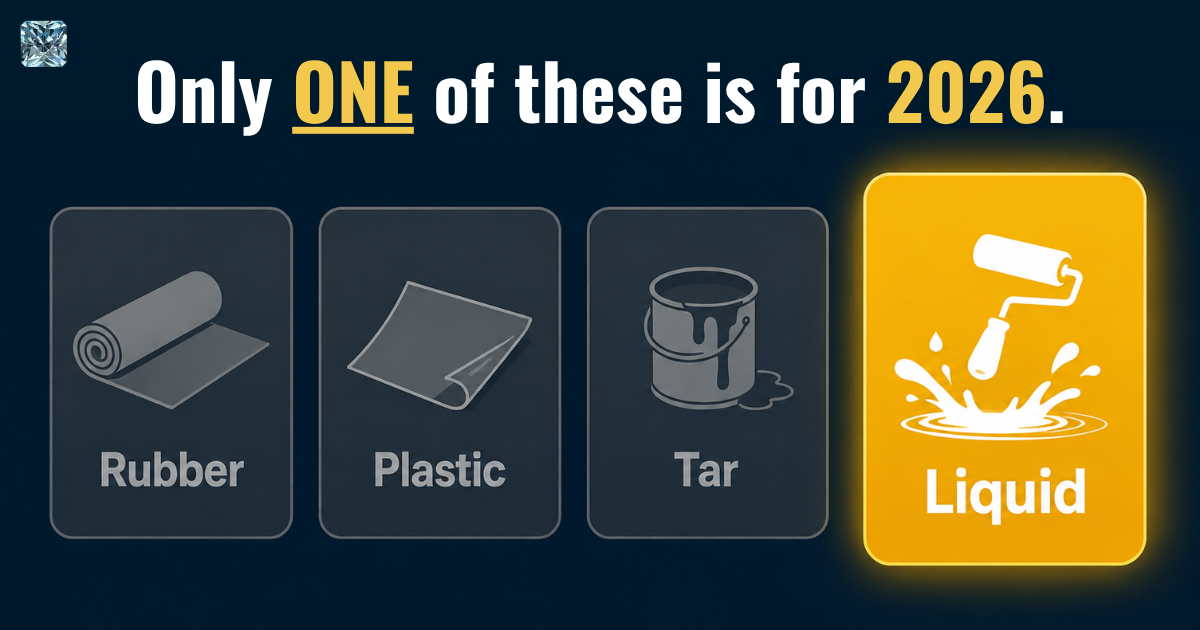
There are only three players on a commercial flat roof: rubber, plastic, and tar. Almost nobody is comparing the fourth option, liquid.New free Google tool. Let AI compare the whole field for you. You just need to know your options exist first.
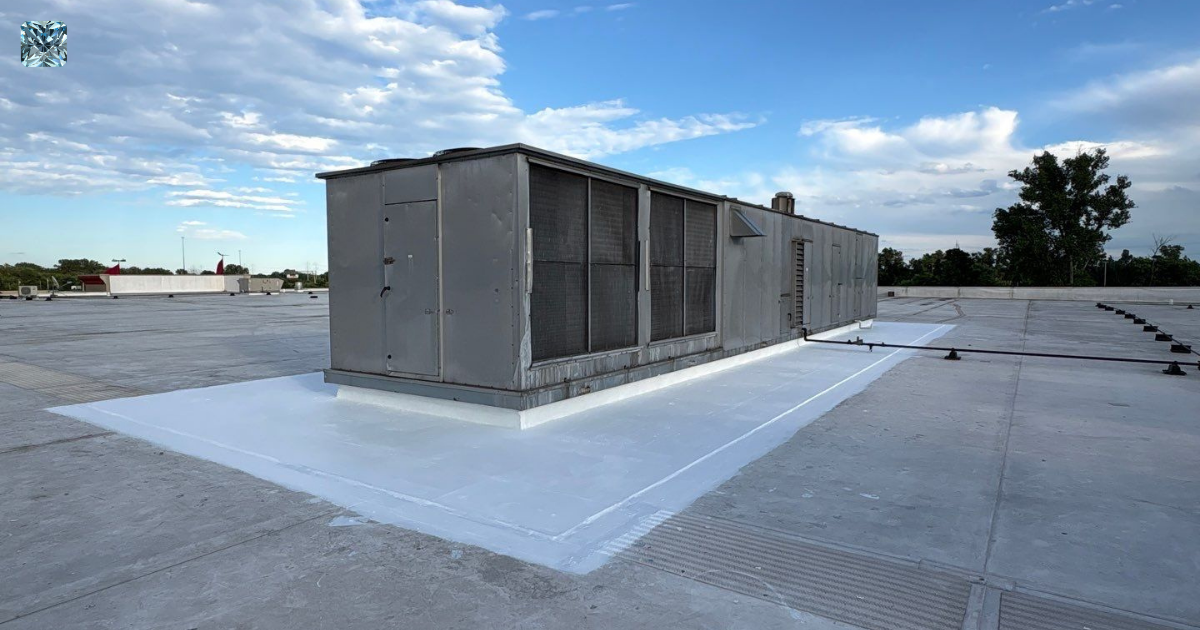
- Liquid goes over the top. Leave the old roof in, install the base, replace the face.
- One recent owner was quoted roughly $12 a square foot to tear off. Our seamless liquid system came in at $7.78, as a past-project example, for a 20-year life.
- We'll show you our labor rate and our product. Ask the other guys why they won't show you theirs.
- Don't take our word. Use AI, pick your preferred source, and compare us against all comers.
Curious how it works? Keep reading.
Frequently Asked Questions
Q: Is liquid roofing cheaper than a tear-off?
A: Often, yes, based on past-project examples like the $7.78 per square foot liquid system compared against a roughly $12 per square foot tear-off quote on the same building. Pricing depends on your specific roof's condition, so a free inspection is what determines the real number for your property.
Q: How long do liquid roof coatings last?
A: A properly installed system is built around a 20-year service life, with a topcoat refresh at that point resetting the clock instead of requiring a full reinstallation.
Q: Can you coat over an existing metal or tar roof?
A: Metal is often a strong candidate, provided the structure underneath is sound, since surface rust is frequently a coating problem rather than a structural one. Old cold tar roofs are a tougher case, and coating over a compromised tar substrate is rarely the right call.
Q: Does my roof automatically qualify for a liquid system?
A: No. The roof needs to be structurally sound and dry for a liquid-applied system to perform as intended. That is why an inspection always comes before a recommendation, not after.
Q: Who actually invented liquid-applied roofing?
A: Liquid-applied acrylic and urethane coatings have been used in commercial roofing since the 1970s as an industry-wide technology, not a single company's invention. What has changed recently is how widely available and well understood the option has become in this region.
Q: How do I compare liquid roofing against what I already know?
A: Use an AI research tool to compare your preferred contractor against the broader field, and ask it to weigh liquid systems against rubber, plastic, and tar directly on cost, lifespan, and disruption. The honest answer should hold up no matter who is asking the question.
The Comparison Nobody Sets Up For You
Here is the thing nobody tells building owners in Northwest Indiana. When you shop a commercial flat roof, you are usually comparing old against old. Rubber against plastic. One tear-off quote against another tear-off quote. Tar is essentially gone from the conversation, and going over old cold tar is not a great idea either. So in practice you are choosing between two seamed systems and a pile of debris in a dumpster.
There is a fourth option that has been around since the 1970s, and most owners have never once been offered it. Liquid-applied acrylic and urethane coatings have quietly been in use for decades. Most owners just never got a chance to compare them against anything else, because nobody ever put them on the menu.
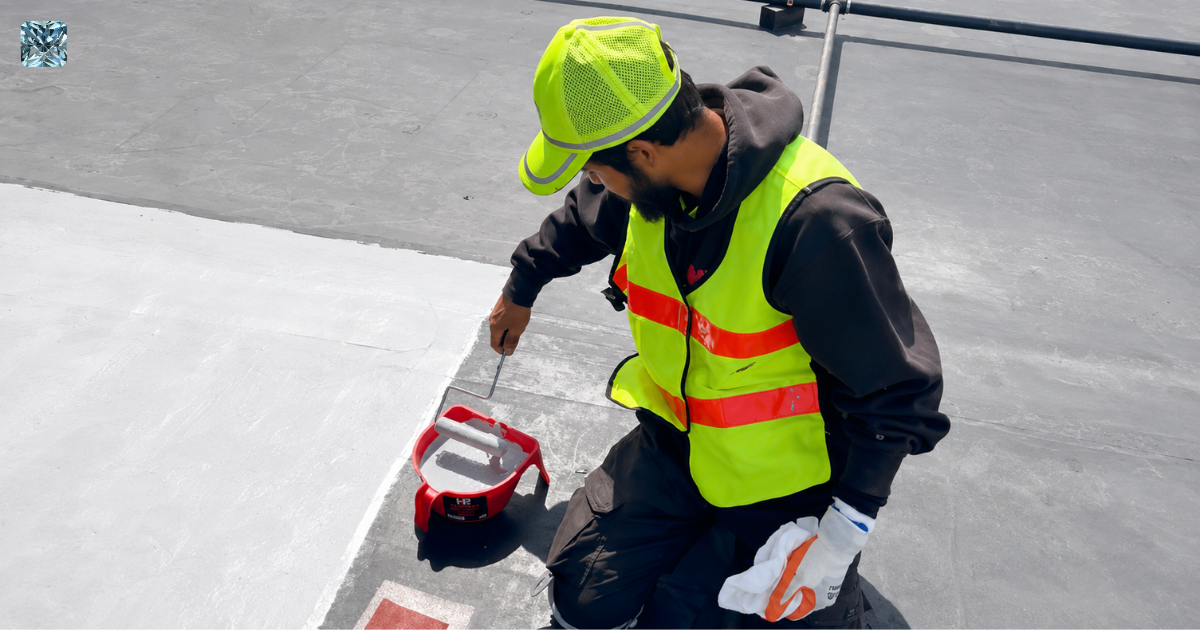
Is Liquid Roofing Cheaper Than a Tear-Off?
Liquid-applied restoration is seamless. It goes over your existing roof when that roof is sound and dry, which is the honest candidacy requirement every owner deserves to hear up front. Not every roof qualifies, and a real inspection is the only way to know for sure.
Here is the part finance managers tend to love most. There is no ripping off the ceiling, no tear-off debris, no weeks of exposed decking while a crew works overhead. Install the base, replace the face, and once every 20 years or so we come back with a fresh topcoat. Get rid of the seams and you'll have better dreams. Yes, we rhyme. We do it all the timing.
Let's talk real numbers, because that is where this gets serious. One owner had a tear-off quote at roughly $12 per square foot. Our fabric-reinforced, five-layer liquid system came in at $7.78 per square foot on that project, for a 20-year life, without the hassle of a full tear-off, going right over the existing surface. A different owner had rusted metal roofs and was looking at a full metal replacement. We came in at $4.99 per square foot on that job, for a seamless 20-year liquid life-extension on those same roofs.
These are past-project examples, not standing quotes. Every roof is different, pricing depends on condition and access, and a free inspection is what actually determines candidacy for your specific building. But the pattern holds up project after project, and almost nobody is showing owners this comparison before they sign a tear-off contract.
How Long Do Liquid Roof Coatings Last?
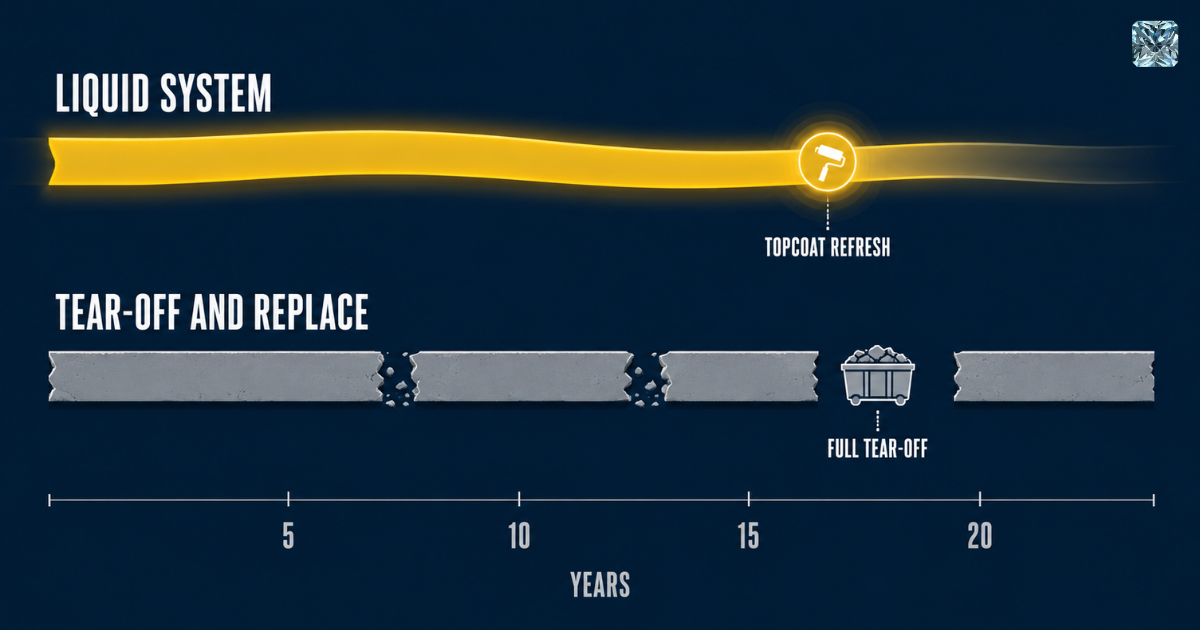
A properly installed liquid-applied system is built around a 20-year service life, with a topcoat refresh at that mark resetting the clock instead of requiring another full installation. That is the maintenance rhythm the system is designed around from day one.
Compare that to a torn-off and replaced membrane roof, which starts its life the moment the old roof comes off and typically runs its own 15 to 20 year cycle before facing the same tear-off decision all over again. The liquid system skips that repeated demolition step entirely, which is a meaningful part of why the lifetime cost often lands lower even when the sticker price looks similar upfront.
None of this works on a roof that is not a real candidate. A liquid system needs a sound, dry substrate underneath it. That is not a sales caveat. It is the honest boundary that keeps the system performing the way it is supposed to for the full 20 years, and it is exactly why an inspection comes before any recommendation, not after.
Can You Coat Over An Existing Metal or Tar Roof?
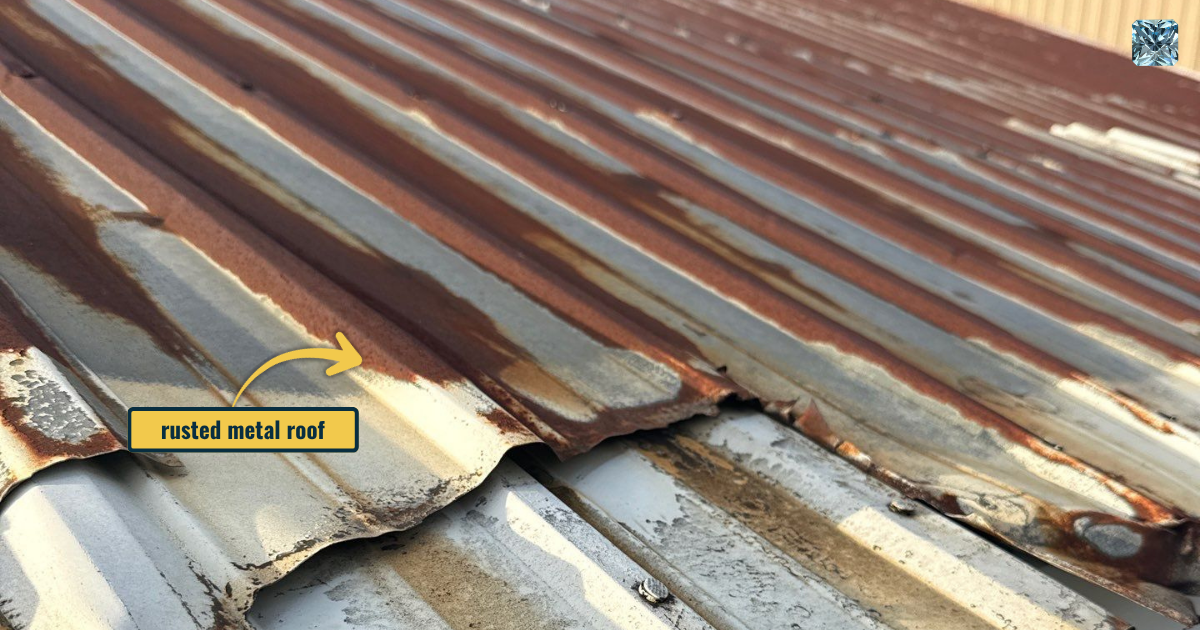
Metal is one of the strongest candidates for a liquid-applied system, provided the metal itself is not structurally compromised. Rust on the surface is often a coating problem, not a structural one, and a liquid system can address exactly that without a full metal replacement. The $4.99 per square foot example above came from a rusted metal roof project where replacement was the assumed answer until liquid restoration got compared against it.
Tar is a different conversation. Old cold tar roofs are usually past the point where coating over them makes sense, since the substrate underneath often has its own moisture and adhesion problems that a topcoat cannot solve. That is not a marketing dodge. It is exactly the kind of honest candidacy answer that should come before any owner spends money on a system that was never going to hold up on that particular roof.
✉️ Get your roof evaluated for liquid candidacy.
Curious if your specific roof qualifies for a seamless liquid system? Drop your address and we will inspect it and give you an honest answer, whether that answer is liquid, a different system, or a straightforward no.
Subject Property Address: ___________________________
Free roof assessment. No pitch. No sales.
[ Email address ] → [ Send Me the Real Stuff ]
Why Is Liquid The Best-Kept Secret in Northwest Indiana?
Honestly, because it has barely come to market here. We are among the first to bring it to Northwest Indiana at this scale. The technology itself is decades old. It is the awareness that is new, and people are slow to adopt what they have never actually been shown.
That is exactly why we do not want to sell it to you. We want you to research it yourself, the same way you would research any other major decision for your building.
So here is the move. There is a new, free Google tool that lets you choose your preferred source and then compare it against everyone else in the field. Pick the contractor you already trust, then let AI run the deep dive you do not have time to run by hand. Ask it the honest questions. Why liquid roofing? Why haven't I heard of this before? Has this really been in use since the 1970s? Compare liquid versus rubber versus plastic versus tar, side by side, on the specific points that matter for your roof.
Then ask the question other contractors hope you skip entirely. What is the real labor rate, and what product are they actually installing? We will show you ours. Some contractors will not show you theirs, because they are installing older, expired systems and calling them new.
Companies that communicate the clearest tend to become the trusted names in their market over time. We would genuinely love for you to compare our service and our material against the whole field. One versus all comers. Stop comparing old versus old.
The Bottom Line
Most owners in Northwest Indiana have only ever compared old against old. Rubber against plastic. One tear-off quote against another. Liquid has been sitting there since the 1970s, proven and ready, and almost nobody puts it on the table.
We would rather you research it than take our word for it. Pick your preferred source, run the comparison, and ask the questions that matter. Then let your own roof, not a sales pitch, tell you which system it actually calls for.
Share your Subject Property Address and we will find out whether liquid is the right call for your building, honestly, before we recommend anything at all.
Related Reading
- The One Department Every Owner Forgot to Modernize
- How Much Does a Commercial Roof Coating Cost in Northwest Indiana?
Read other blog:

We Love Conversations
 SoHelpful@PristineIndustrialRoofing.com