
Why Would Anyone Want a More Fireproof Roof?
Grease, Fireworks, Cigarettes, Bullets, and Other Northwest Indiana Realities. Why Class A Fire-Rated Roofing Materials Matter More Than You Think.

🔲 Commercial kitchens produce massive amounts of grease — fast food places generate 150-250 lbs per week. That grease doesn't just stay in the hood.
🔲 Rubber-based roofing (TPO, EPDM) catches fire and keeps burning. Vinyl-based materials (PVC/FLEXION) melt and self-extinguish when the fire source is removed.
🔲 We live in the land of fireworks, cigarettes, and yes — bullet holes. We patch dozens of roof punctures every year after New Year's and Independence Day in East Chicago, Gary, and Hammond.
🔲 Class A fire-rated roofs (the highest rating) may qualify for insurance premium reductions, though this varies by carrier and building.
🔲 Restaurant fires are rare, but when they happen, they're devastating. Proper fire-resistant roofing is part of your overall fire protection strategy.
🔲 If your roof hits 160°F in summer heat, and there's caked-on grease providing fuel, you're one spark away from a very bad day.
🔲 Most preventative maintenance agreements skip the actual cleaning. They inspect. They don't condition. That's not fire prevention — that's just paperwork.
Let me tell you about a restaurant in Highland. Asian cuisine. Great food. Terrible roof situation.
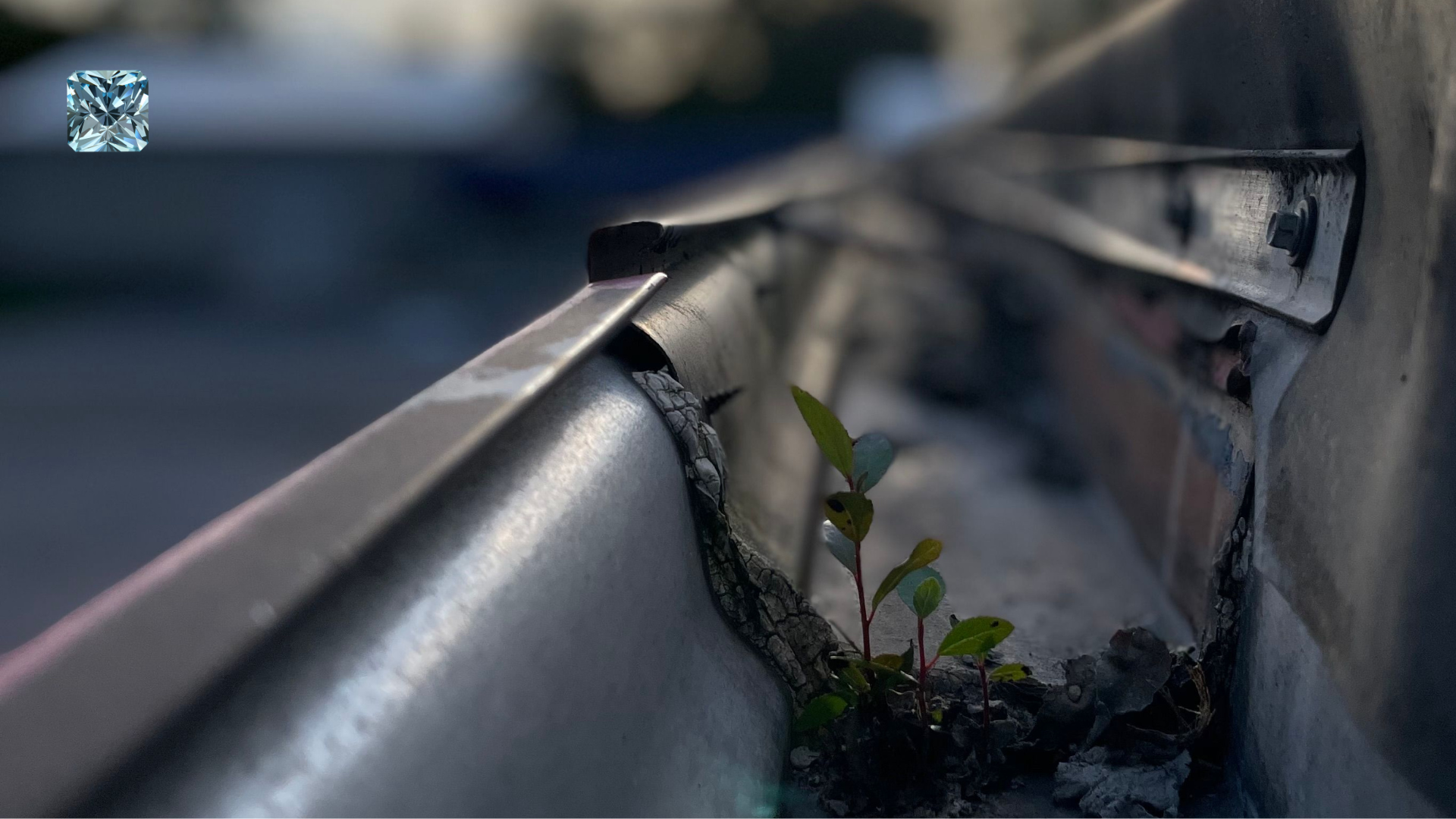
They don't have puddles of grease up there. They have lakes. Entire sections of the roof holding two to three inches of liquid grease because the old fiberboard insulation caved in and created massive divots. Four grease trap vents. Missing pans. So instead of catching the grease, it just flows straight onto the roof. And it's been doing this for years.
Now, you know what happens around here on Independence Day and New Year's Eve? Fireworks. Lots of them. Some legal, some... less so. And when you've got a roof literally soaked in combustible material, you're not just at risk — you're sitting on a liability waiting for the wrong spark.
Grease is Real (And So is Fire Risk)
Here's the thing about commercial kitchens: grease goes everywhere.
According to industry data, fast food establishments and restaurants with heavy frying operations produce between 150 and 250 pounds of grease per week. That's up to 1,000 pounds per month. Some of it gets trapped in your hood system. Some of it gets caught in grease traps. But some of it? It vaporizes, rides up through your exhaust, and lands on your roof.
If you've got a layer of caked-on grease that's not being properly captured in the basin from your grease hood, your roof is becoming a magnet for heat. And here's where it gets fun: rubber roofing can hit 160°F in the summer. That's really close to not awesome. That's hotter than pavement. That's hotter than tar.
So let's do the math,
• Roof temperature: 160°F
• Grease buildup: Multiple layers, months or years old
• Ignition sources: Fireworks, cigarettes, electrical sparks, vandalism
• Rubber-based roofing material that catches and spreads fire
Yeah. That's a recipe for disaster.
You could say there's a strong increase in fire risk where extra grease accumulates. (Yes, that's a dad joke. But it's also true.)
Living in Northwest Indiana: Fireworks, Cigarettes, and Bullet Holes
Let's talk about some local realities that other roofing companies might not mention.
We patch dozens of bullet holes every year. Mostly after New Year's. Some after other celebrations. East Chicago. Gary. Hammond. It's just one of the many highlights of living here locally.
Are bullets a fire risk? Not directly. But they create punctures. Punctures let water in. Water damages insulation. Damaged insulation creates divots. Divots collect grease. Grease becomes fuel. You see where this is going.
And then there's the intentional ignition sources,
• Fireworks (legal and... less legal)
• Cigarettes improperly disposed of by employees or customers
• Vandalism (unfortunately, this is real)
• Electrical issues in rooftop equipment
We can't control human behavior. We can't stop celebrations. What we can do is make sure your roof doesn't turn a spark into a structure fire.

Not All Roofing Materials React to Fire the Same Way
Here's what most property owners don't realize: rubber catches fire and keeps going. Vinyl melts and self-extinguishes.
Let's break this down by material type.
TPO (Thermoplastic Polyolefin) — "Toilet Paper" or "Plastic Wrap"
TPO is rubber-based. It's affordable. It's white and reflective. But when it catches fire? It burns. The material is petroleum-based, and while some versions can achieve Class A ratings when installed as part of a complete assembly, the material itself has fire performance concerns.
Plus, TPO formulations keep changing because manufacturers are still trying to get it right. It's newer technology (1990s) that hasn't proven itself over the long haul like other materials.
EPDM (Ethylene Propylene Diene Monomer) — Legacy Rubber
EPDM has been around since the 1960s. It's black rubber. It's durable in cold weather. But it also catches fire. And that black surface? It absorbs heat like crazy — often hitting 160°F or higher in summer, which only increases fire risk when combined with grease buildup.
EPDM should have been put out to pasture before 1995. The glued seams come unglued. It whips in the wind. Doesn't seal well. Gets brittle in extreme weather. And when there's fire? It burns.
PVC/FLEXION Vinyl — The Fire-Resistant Choice
PVC stands for Polyvinyl Chloride. Most people don't memorize acronyms, but when you see the V in the middle, just know: PVC = Vinyl.
Think about flexible vinyl like thick sign material. When you say "vinyl," everybody thinks about signage and banners. Our FLEXION vinyl is several layers thick with Kevlar DuPont reinforcement mesh and extra-thick scrim on top. It's engineered for durability and fire resistance.
Here's what makes PVC different when it comes to fire
• PVC is inherently fire-resistant due to its chemical composition
• It melts rather than catching and spreading flames
• When the fire source is removed, PVC self-extinguishes
• It's slow-burning and difficult to ignite in the first place
• PVC has been used successfully in commercial roofing since the 1960s with proven track record

"We can't control fireworks, cigarettes, or bullet holes. But we can make sure your roof doesn't turn a spark into a structure fire."
What Does "Class A Fire-Rated" Actually Mean?
When we talk about fire ratings for roofing, we're talking about standardized testing established by ASTM E108 and UL 790. There are three classes.
• Class A: Highest level of fire resistance — effective against severe fire exposure
• Class B: Moderate fire resistance
• Class C: Light fire resistance (minimal protection)
Our FLEXION vinyl system with Kevlar DuPont reinforcement achieves Class A fire rating. That's the highest standard. It means the material has been tested against severe fire exposure and proven to resist ignition and flame spread.
Is it fireproof? No. Nothing is truly fireproof. But it's significantly more fire-resistant than standard roofing materials, and when combined with proper maintenance and regular cleaning, it's part of a comprehensive fire safety strategy.
What About Insurance?
Here's the honest truth: insurance discounts for Class A fire-rated commercial roofing are not as clearly defined as they are in the residential market.
In residential roofing, homeowners with Class A fire-rated materials can see premium reductions of 5-35% in many states, especially in wildfire-prone areas. Commercial property insurance works differently — it's evaluated building by building, carrier by carrier.
That said, reduced fire risk should translate to better insurance terms. If your building has,
• Class A fire-rated roofing
• Properly maintained grease hood and trap systems
• Regular roof cleaning and conditioning (not just inspection)
• Documented preventative maintenance history
...then you have a conversation worth having with your insurance carrier. We're not in the insurance game, so we can't promise specific savings. But we can tell you that demonstrating proactive fire risk reduction is never a bad thing when renewal time comes around.
The Problem with Most "Preventative Maintenance"
Let's talk about PMAs — Preventative Maintenance Agreements.
Most roofing companies will sell you a PMA. They'll come out twice a year. They'll walk your roof. They'll take pictures. They'll write a report. They'll invoice you.
You know what they won't do?
Clean. Condition. Actually prevent problems.
The average PMA entirely skips over the cleaning. They're up there making money doing inspections. That's not fire prevention. That's paperwork. That's not awesome.
If you're a restaurant, bakery, or any facility that produces grease, you need actual cleaning. You need someone removing the buildup. You need conditioning to keep the material flexible and functional. Inspection without intervention is just documentation of problems you're choosing not to fix.
Fire is Rare. But Devastating.
Let's be clear: restaurant fires don't happen every day. That's why we have insurance.
But when they do happen? They're catastrophic. Buildings get demolished. Businesses close permanently. People lose their livelihoods. Lives are at risk.
According to the National Fire Protection Association, cooking equipment is the leading cause of restaurant fires — accounting for over 57% of incidents. And grease is the primary fuel source in most of these fires.
We can't prevent every fire. But we can stack the deck in your favor.
• Choose roofing materials that self-extinguish rather than spread flames
• Actually clean your roof — don't just inspect it
• Maintain your grease hood and trap systems properly
• Train your staff on proper fire safety protocols
• Have proper fire suppression systems in place and regularly inspected
Your roof is part of your building's overall fire protection system. It's not the only piece. But it's an important one.
We Live in the Real World
Grease happens. Fireworks happen. Cigarettes happen. Bullet holes happen. (Welcome to Northwest Indiana.)
We can't eliminate every risk. But we can choose materials and maintenance practices that reduce the likelihood of catastrophic failure.
Class A fire-rated roofing with proper cleaning and maintenance isn't paranoia. It's prudence. It's protecting your investment. It's keeping your people safe. It's doing business responsibly in an environment where stuff happens.
That's why anyone would want a more fireproof roof.
Want to Learn More?
This article focused on fire safety, but there are other compelling reasons to consider modern roofing systems.
• Energy efficiency and reflectivity (lower cooling costs)
• Insulation improvements (thermal performance)
• Environmental impact (carbon footprint reduction)
• Restoration vs. replacement (going over the top vs. tear-off)
We publish free educational content on all these topics across our network of specialized websites. Subscribe to stay informed about maintenance for magnificent facilities.
If you're a commercial property owner in Lake County or Porter County dealing with grease buildup, fire risk concerns, or aging roofing systems, we're here to help with honest assessments and practical solutions.
This article is part of our series on Maintenance for Magnificent Facilities. We focus on practical education for commercial property owners in Northwest Indiana who want reliable information without the sales pressure.
Continue Your Journey
For more information on strategic facility management and financing.
1. TPO vs EPDM vs PVC: Lab Results Expose Which Roofs Actually Last — Material science explained
2. How to Choose the Right Commercial Roofing Contractor — Know who's on your roof
3. The Truth About Commercial Roofing Warranties — Warranty loopholes exposed
4. Before You Fix the Roof, Fix the Conversation — Communication matters most
Deep Dive Into Specific Topics
- YourWarrantySaysWhat.com (Loophole analysis)
- SiliconeIsSilly.com (Why we don't do silicone)
- WeWashFlatRoofs.com (Maintenance matters)
- BigBeautifulRoofBill.com (Transparent pricing guide)
- ModernRoofChemistry.com (What's going on up there?)
- SchoolEnergyRebates.com (Energy grants for schools)
- RelationshipRoofing.com (What matters more?)
- MeetYourInstallers.com (Fabulous families)
- RoofServiceMenu.com (What are my options?)
- TenantRoofRights.com (Tenant questions)

Read other blog:

We Love Conversations
 SoHelpful@PristineIndustrialRoofing.com