
What Is Capillary Action and How Can It Threaten Your Commercial Roof Property
Understanding Rising Damp, Structural Risks, and Long Term Moisture Control Strategies. Is there some kind of a “caterpillar 🐛 action” uprising I should be aware of?
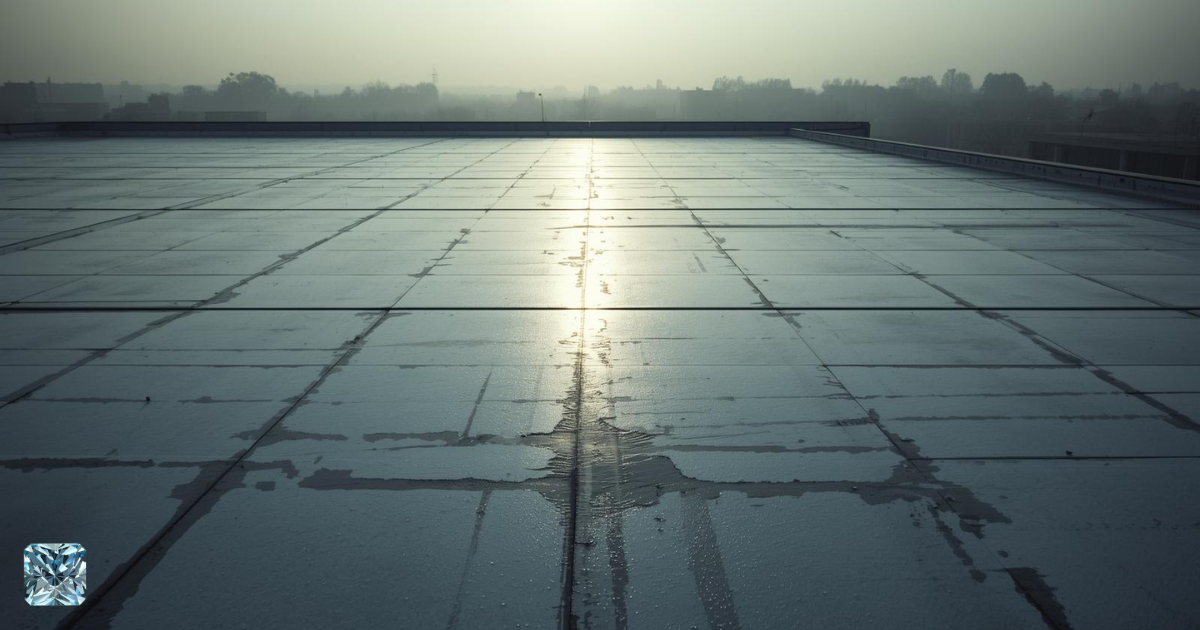
🔲 Caterpillars, rising up and taking action? But seriously, Capillary Action is a Hidden Threat. Water can travel through tiny cracks and porous materials, even against gravity, gradually infiltrating roofing systems without obvious leaks.
🔲 Commercial Roofs Are Especially Vulnerable. Seams, flashing, porous materials like concrete or wood, and membrane edges create pathways for water to enter and cause long term damage.
🔲 Early Detection Saves Money. Warning signs include persistent damp spots, staining, warped materials, efflorescence, mold growth, and unexplained energy costs. Regular inspections are crucial.
🔲 Prevention and Prompt Repairs Protect Your Investment. Proper installation, material selection, sealing, drainage, and professional maintenance minimize risk. Addressing damage early prevents costly repairs and structural deterioration.
Capillary action silently draws water into tiny cracks in commercial roofs, causing mold, structural damage, and energy loss, but early detection through preventive maintenance, proper installation, sealing, drainage, and inspections can protect your building and avoid costly repairs.
When you think about water damage to your commercial building, you probably picture heavy rain, storms, or that unmistakable drip drip drip of an obvious leak staining your ceiling tiles brown. But there's a silent threat working against your roof that most property owners never see coming, capillary action.
No, not caterpillars. Though honestly, an uprising of caterpillars on your roof would probably be less destructive.
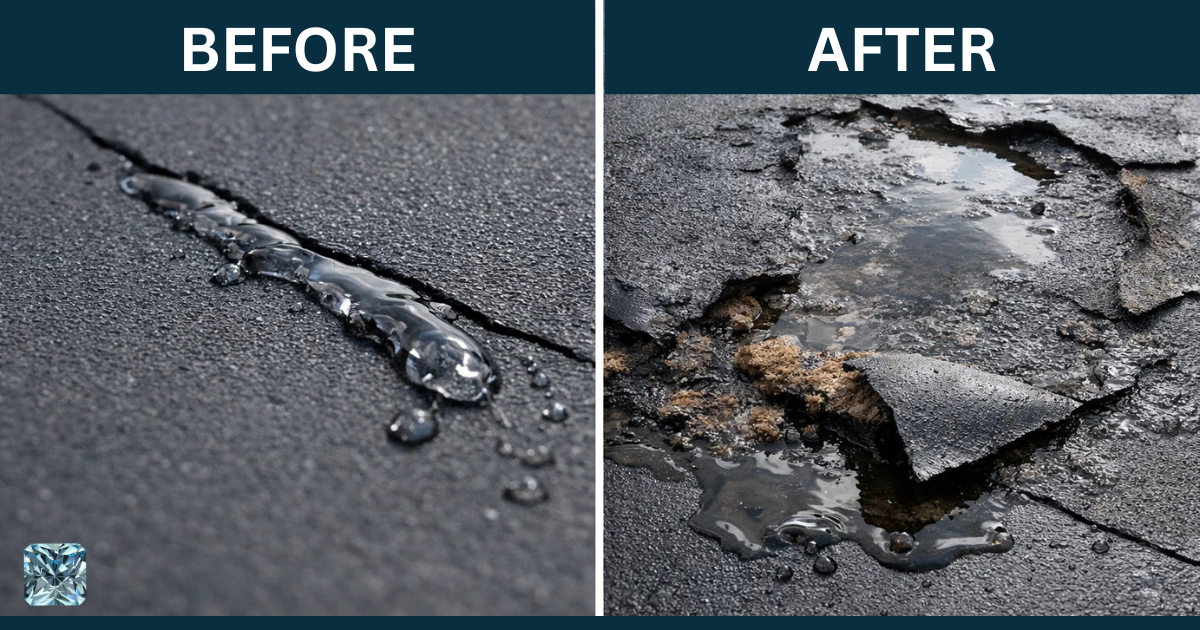
This natural phenomenon can slowly draw water into your roofing system through the tiniest openings, cracks you couldn't see with a magnifying glass, causing extensive damage long before you notice the first leak.
Understanding capillary action isn't just for scientists. It's essential knowledge for anyone responsible for maintaining a commercial property. Let's explore what this process is, how it works, and most importantly, how you can protect your building from its destructive effects.
What Exactly Is Capillary Action? (Because Nobody Actually Knows)
Let's get this out of the way right now, before you decide this article is trying to turn you into a scientist.
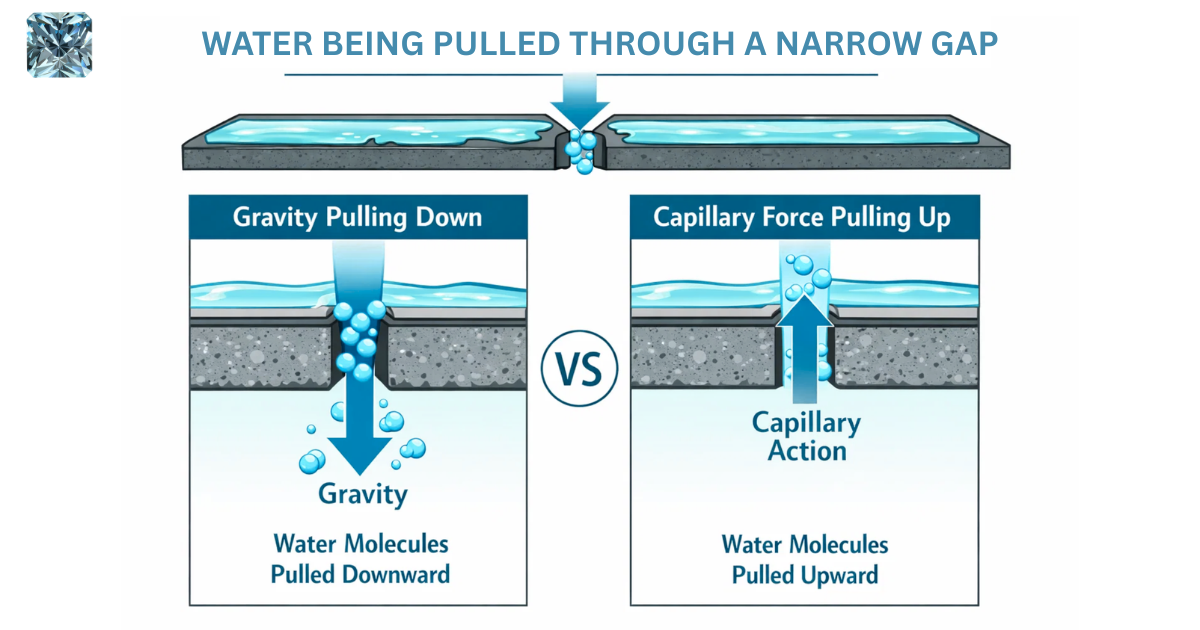
Capillary action is water doing something it's not supposed to do, climbing upward.
You've seen it happen a hundred times, you just didn't know it had a fancy name.
When you spill coffee on your desk and grab a paper napkin, watch what happens. The coffee doesn't just get absorbed where you press the napkin down, it climbs up the fibers, spreading outward and upward like it's defying gravity. Because it is.
You know that dark water stain creeping up the side of that old brick building downtown? The one that starts at ground level and travels three feet up the wall even though there's no rain hitting it directly? That's capillary action at work.
Or think about your garden. How does water get from the soil up to the leaves at the top of a tomato plant? The roots aren't pumping it up there. Capillary action is pulling it.
In simple terms, capillary action happens when water molecules are more attracted to the surface of a material than they are to each other. This attraction allows water to climb through tiny spaces, cracks, and porous materials, defying gravity in the process.
Think of it this way: water molecules are holding hands with each other in a long chain. But when they encounter certain materials, like the fibers in a paper towel, or the microscopic pores in concrete, or the hairline crack in a roof seam, they'd rather let go of each other's hands and grab onto that material instead.
This molecular preference creates a pulling force that draws water into and through small spaces. The smaller the space, the stronger the pull.
Which means the tiniest crack in your roof can become a highway for water you never see coming.
And here's the kicker, this is happening on your roof right now. Not because your contractor did a bad job. Not because you skimped on materials. But because physics doesn't care about your maintenance budget.
The Science Behind the Threat (Don't Worry, We'll Keep This Quick)
Two forces work together to create capillary action: adhesion and surface tension.
Adhesion is the attraction between water molecules and other materials, like water sticking to the inside of a straw.
Surface tension is the attraction water molecules have for each other, the reason water forms droplets instead of just spreading out into an invisible mist.
When water encounters a narrow gap or porous material, adhesion pulls the water toward the material's surface. Meanwhile, surface tension keeps the water molecules connected to each other, creating a continuous flow.
The narrower the space, the stronger this effect becomes.
That's why water can travel further and faster through a hairline crack than through a larger opening. It sounds backwards, but it's true. A crack you can't even see with your naked eye can pull water six inches, twelve inches, even several feet into your roofing system.
Imagine trying to drink a milkshake through a coffee stirrer versus a regular straw. The milkshake moves differently through the tiny stirrer because the physics work differently at that scale. Water in your roof works the same way, the tighter the space, the stronger the pull.
Several factors influence how quickly and extensively capillary action occurs,
- Material type matters significantly. Porous materials like concrete and wood act like networks of microscopic straws, pulling moisture in every direction.
- Temperature plays a role. Warmer water typically moves more readily than cold.
- The size of gaps or pores in the material is crucial. Paradoxically, smaller openings often create stronger capillary action.
Which brings us to your roof. Because commercial roofs have all three conditions working against them: porous materials, temperature fluctuations, and thousands of microscopic entry points you can't see.
Why Your Commercial Roof Is Vulnerable
Commercial roofs face constant exposure to moisture from rain, snow, humidity, and condensation. Even on a properly installed roof, even on a roof that passed inspection and looks perfect, there are countless potential entry points where capillary action can begin its work.

Roofing Seams: The Invisible Highways
No matter how well your roofing membrane is installed, seams exist where sheets overlap. These create narrow channels where water can be drawn in through capillary action, even if the overlap appears watertight to the naked eye.
Picture two sheets of paper pressed tightly together. To you, they look like one solid surface. But at the microscopic level, there are thousands of tiny gaps between the fibers. Water doesn't need a visible opening, it just needs a gap smaller than a human hair.
Flashing: Where Different Materials Meet and Create Trouble
Flashing around penetrations, edges, and walls creates similar vulnerabilities. The joints where flashing meets the roof membrane or wall surface can develop microscopic gaps over time, gaps that expand and contract with temperature changes, creating perfect pathways for capillary action.
Think about the metal flashing around your HVAC unit. In the summer heat, that metal expands. In the winter cold, it contracts. Every expansion and contraction creates microscopic movements, tiny separations between the flashing and the roof membrane. Those separations are invitations for water to climb in.
Mortar & Concrete: Networks of Tiny Straws
Mortar and concrete, common materials in commercial roofing systems, are particularly susceptible. Their porous nature acts like a network of tiny straws, drawing moisture upward and inward. Wood components, often found in roof decking or structural supports, behave similarly.
Even Modern Membranes Aren't Immune
Even modern roofing membranes aren't immune. While the membrane itself might be waterproof, the edges, seams, and any areas of damage can allow capillary action to pull water underneath the membrane, where it spreads unseen.
The Hidden Damage Happening Above You
The insidious nature of capillary action damage is that it happens slowly and invisibly.
Unlike a sudden roof leak that announces itself with drips, water stains, and frantic calls to the maintenance department, capillary action works gradually, often for months or years, before you notice a problem.
Water drawn into your roofing system through capillary action doesn't just sit there. It spreads through materials, saturating insulation, rotting wood decking, and corroding metal components. Wet insulation loses its thermal efficiency, driving up your energy costs while you remain unaware of the cause.
The moisture creates an ideal environment for mold and mildew growth. These organisms don't just pose health risks to building occupants, they also accelerate material deterioration. Mold feeds on organic materials, breaking down wood and other components of your roofing system.
Here in Northwest Indiana: The Freeze Thaw Nightmare
We get about 50 freeze thaw cycles per winter in Northwest Indiana. That's 50 opportunities for capillary action to become catastrophic.
Here's how it works, water absorbed through capillary action freezes when temperatures drop. When water freezes, it expands, creating larger cracks and gaps. When it thaws, even more water can enter those newly enlarged spaces.

This cycle repeats throughout the season, causing exponential damage.
The structural integrity of your roof gradually weakens. What started as microscopic moisture infiltration can eventually lead to sagging, membrane failure, or even structural collapse in extreme cases.
Recognizing the Warning Signs
Early detection of capillary action damage can save you thousands in repair costs. Know what to look for during routine inspections of your commercial building.

Persistent damp spots that don't dry out completely are a red flag. If you notice areas of your roof, walls, or ceiling that remain moist even during dry weather, water is likely being drawn in through capillary action.
Staining on interior ceilings or walls, especially if the stains appear gradually and spread slowly, suggests ongoing moisture infiltration rather than a sudden leak. These stains often have irregular edges and may feel damp to the touch.
Watch for changes in your roofing materials. Swelling, bubbling, or warping in roofing membranes indicates trapped moisture underneath. Concrete or masonry showing efflorescence, those white, chalky deposits, signals water moving through the material and bringing dissolved salts to the surface.
Unexplained mold or mildew growth, particularly in areas that don't experience direct water exposure, points to moisture problems beneath the surface. Pay attention to musty odors as well, which often precede visible mold growth.
Increased energy bills without a clear explanation might indicate wet insulation caused by capillary action. Saturated insulation can't perform its job effectively, forcing your HVAC system to work harder.
Protecting Your Investment
Prevention is always more cost effective than repair when it comes to capillary action damage. Several strategies can minimize your risk.
Proper Installation Is Your First Line of Defense

Working with experienced commercial roofing contractors who understand capillary action and install materials according to manufacturer specifications dramatically reduces your vulnerability. This includes proper overlaps, adequate sealing, and correct fastener placement.
Material Selection Matters Significantly
Choose roofing membranes designed to resist capillary action, and ensure all seams are heat welded or properly sealed with compatible adhesives. Using capillary breaks, materials specifically designed to interrupt water's upward movement, at critical transitions can prevent moisture from traveling into your building.
Apply High Quality Sealants at All Potential Entry Points
Flashing, penetrations, edges, and seams all need appropriate sealing. However, understand that sealants don't last forever. Include regular sealant inspection and renewal in your maintenance schedule.
Install Proper Drainage Systems
Proper drainage systems move water away from vulnerable areas quickly. Standing water anywhere on your roof increases the opportunity for capillary action to begin. Ensure your drainage is adequate and keep it clear of debris.
Regular Professional Inspections Catch Problems Early
A qualified roofing contractor can identify signs of capillary action damage before it becomes severe. Schedule inspections at least twice yearly, and after any severe weather events.
Maintain Vegetation Control Around Your Building
Tree branches touching your roof or walls can create pathways for moisture. Keep landscaping properly trimmed and ensure soil grades away from your building foundation.
The Bottom Line
Think of protecting against capillary action as an ongoing commitment rather than a one time fix. Your commercial roof is constantly exposed to moisture, and vigilance is essential. Regular inspections, preventive maintenance, and quick response to any issues will extend your roof's lifespan and protect everything beneath it.

The cost of prevention and early intervention is always lower than the cost of major repairs or premature roof replacement. By investing in proper maintenance and staying alert to the signs of capillary action damage, you're protecting not just your roof, but your entire building, your operations, and your bottom line.
Quick Roof Health Check: Answer 3 Questions, Get Peace of Mind
Help us understand your building so we can send you relevant information.
Question 1: How old is your current commercial roof?
- Less than 5 years
- 5 to 10 years
- 10 to 20 years
- More than 20 years
- I’m not sure
Question 2: When was your last professional roof inspection?
- Within the last 6 months
- Within the last year
- 1 to 3 years ago
- More than 3 years ago
- Never had one / Not sure
Question 3: Have you noticed any of these warning signs?
- Persistent damp spots that won’t dry
- Water staining on ceilings or walls
- Unexplained increases in energy costs
- Musty odors in certain areas
- Standing water on the roof after rain
- None of these (yet)
Your Name: _____________________________________________
Your Email: _____________________________________________
Building Address (if you’d like a free roof assessment): ___________________
Number of Buildings You’re Responsible For: _____________
- Yes, send me helpful roofing insights and maintenance tips
- Yes, I’d like someone to take a look at my building
We respect your inbox. You’ll only receive genuinely helpful information about protecting your commercial property. No sales pressure, no spam. Unsubscribe anytime.
Related Resources
For more information on protecting your commercial investment and making environmentally responsible choices,
- Finding the Right Commercial Roofing Solution
- The Four Party Warranty Responsibility Matrix | Who Actually Pays When Your Roof Fails?
- Commercial Roof Warranties Explained | Protection Beyond the Installation
- The Complete Guide To Commercial Roofing Materials | Durability Meets Cost Effectiveness
- Before You Fix the Roof, Fix the Conversation
Deep Dive Into Specific Topics
- YourWarrantySaysWhat.com (Loophole analysis)
- SiliconeIsSilly.com (Why we don't do silicone)
- WeWashFlatRoofs.com (Maintenance matters)
- BigBeautifulRoofBill.com (Transparent pricing guide)
- ModernRoofChemistry.com (What's going on up there?)
- SchoolEnergyRebates.com (Energy grants for schools)
- RelationshipRoofing.com (What matters more?)
- MeetYourInstallers.com (Fabulous families)
- RoofServiceMenu.com (What are my options?)
- TenantRoofRights.com (Tenant questions)
.png)
Read other blog:


.png)
We Love Conversations
 SoHelpful@PristineIndustrialRoofing.com