
The Complete Guide To Commercial Roofing Materials | Durability Meets Cost Effectiveness
Compare TPO, EPDM, and built up roofing systems to find the best solution for your building's needs and budget. Commercial roof longevity data from 2025 Department of Defense specifications and independent fire testing.

🔲 EPDM rubber roofs fail prematurely due to moisture trapping, bubbling, and adhesive aging, making them unsuitable for premium commercial installations.
🔲 TPO plastic roofs degrade quickly under UV and industrial conditions, with the Department of Defense limiting their use to 10 year roofs.
🔲 PVC vinyl membranes offer superior durability with 25 to 30 year lifespan, fire resistance, chemical resistance, and puncture strength.
🔲 Modern liquid urethane coatings create seamless, long lasting waterproofing that outperforms legacy roofing systems and extends roof life with proper maintenance.
The Truth About Modern Roof Chemistry
Modern roofers don't install TPO or EPDM anymore because it's no longer 1995. Significant scientific breakthroughs have been proven in the lab. Modern roof chemistry has made leaps into the future. What is actually being installed in 2026 and beyond? That is the real research question.
But first, why have the old ingredients expired?
What the Lab Data Actually Shows
1) The US Department of Defense restricts TPO roofing to facilities with 10 years or less anticipated lifespan (2012 Facilities Design Criteria)
2) PVC vinyl roofing self extinguishes in 12 to 13 seconds after flame removal, while TPO and EPDM continue burning for 3 to 6 minutes (Southwest Research Institute Fire Technology Department)
3) EPDM rubber roofs show significant bubbling and moisture trapping at the 12 to 15 year mark, requiring massive patchwork
4) PVC vinyl membrane delivers 25 to 30 year roof expectancy with superior chemical resistance to acids, grease, and industrial environments
5) TPO plastic membranes become brittle from UV exposure and acid rain, particularly problematic in Northwest Indiana's industrial corridor near steel mills and oil refineries
6) Modern liquid urethane coating systems create seamless, pool like waterproofing that lasts 25 to 30 years with proper maintenance
7) Fire rated vinyl outperforms plastic and rubber in Class A testing, critical for premium commercial and government buildings
Why Legacy Roofing Materials Are Failing
Rubber Is A Legacy Product: The EPDM Problem
Rubber roofs trap moisture. They bubble. They get hot. The seams fail. EPDM (Ethylene Propylene Diene Monomer) requires adhesive that ages out over time, creating multiple human error points during installation. Did the installer get the right temperature? Did they use enough adhesive? There are plenty of failure points with an old school rubber system.
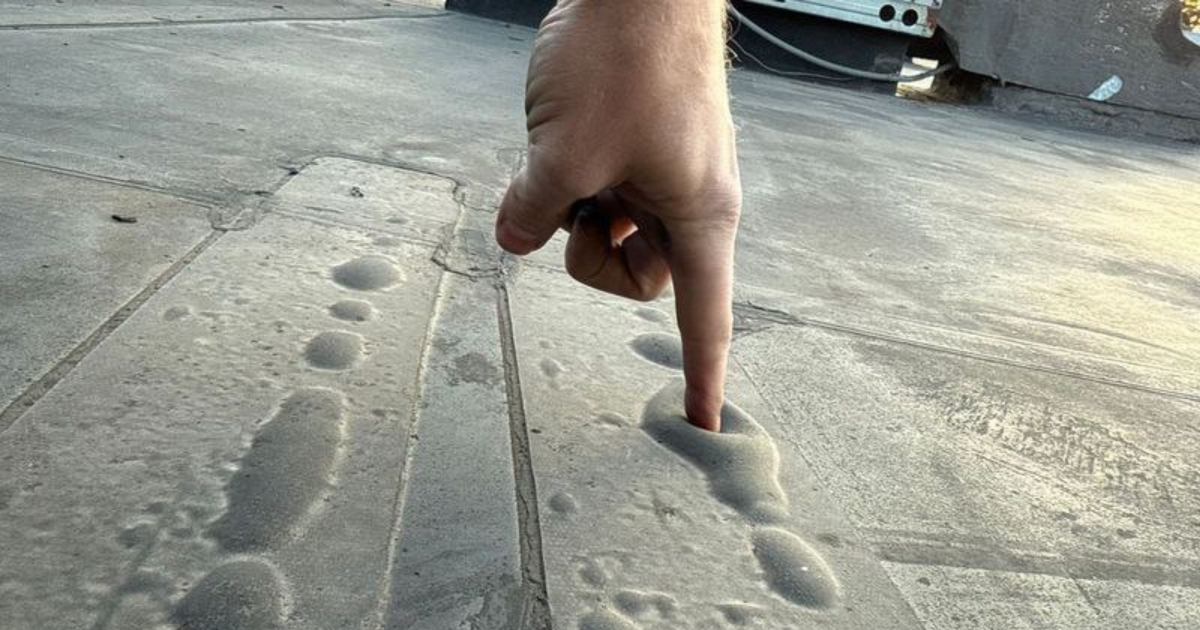
Around the perimeter, EPDM gets weak. Around the pipes, it fails. And frankly, there's still puddles ponding from compression because the rain and snow load puts tremendous weight on the insulation. So it's not just the skin, we have to consider what's within. What's underneath that top layer?
Is it cheap insulation? Or high density rigid walkable insulation boards? Better insulation costs a little more, but it gets you significantly further down the road. One of the top reasons for roof system failure is ponding water, which happens from compression into the insulation. This has nothing to do with the top membrane.
See, humans like to judge by the outside. We like to look at the face and make all decisions based on what we see. But we can't see inside a person or a roof. So we assume. That's not healthy. We have to get informed.
Moisture traps happen from condensation. Rubber is not permeable, it doesn't allow breathing. The building needs proper insulation and a secure surface that does not promote moisture traps, because moisture fosters mildew.
EPDM Lifespan: What The Research Shows
At the 12 to 15 year mark, EPDM demonstrates significant bubbling and problems. It requires massive patchwork. It does not endure endlessly. Independent studies show that while properly installed EPDM can last 25 to 30 years under ideal conditions, real world performance in industrial environments tells a different story.
Blisters and bubbles on the surface indicate air pockets or trapped moisture that compromise the membrane's integrity. When widespread, this necessitates full replacement. The bubbling issue stems from poor adhesion, if adhesive isn't applied correctly or the membrane isn't adequately bonded to the roof deck, premature lifting, bubbling, and separation occur.
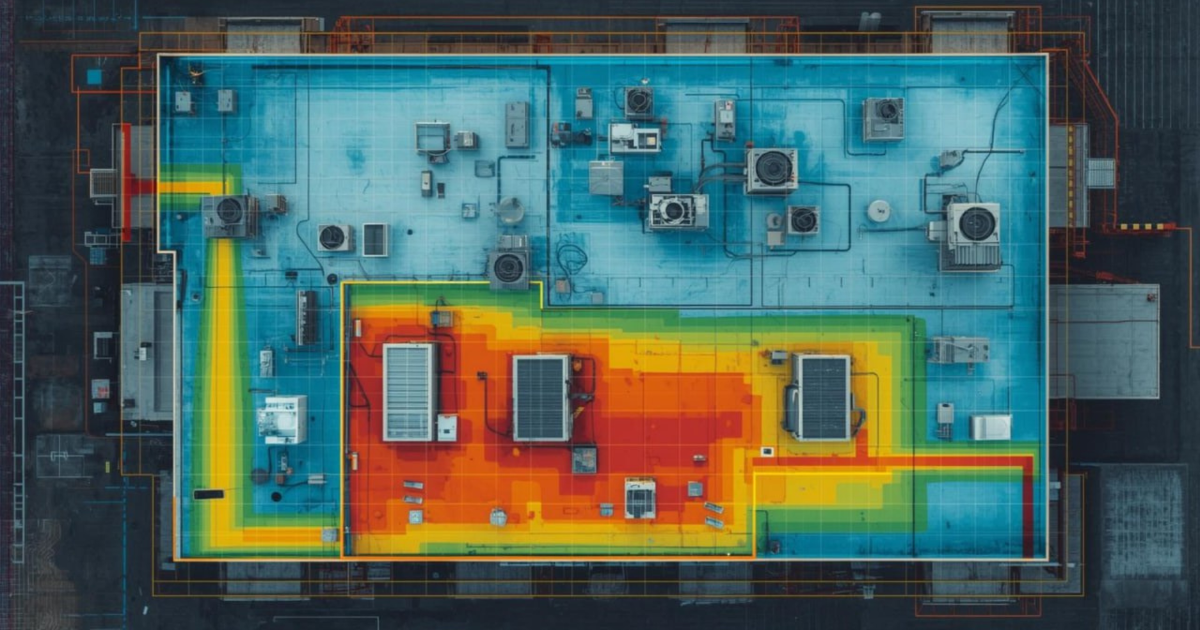
We are not fans of the lab results from rubber. EPDM is a legacy material that needs to be retired from premium commercial installations.
TPO: Plastic Wrap On Your Building
TPO has been all the rage from the previous decade, but here's the reality: the "P" stands for plastic. It's simply thick plastic wrap, and plastic ages poorly in the sun. It does not hold up well. Plastic gets brittle.
The top layer is called scrim, and that scrim is affected by acid from local industry. In Northwest Indiana, we are too close to the steel mills and oil refineries for the rain not to have strong acid eating away at the plastic surface.

The Department of Defense Speaks: TPO's 10 Year Limit
Here's what most roofing contractors won't tell you. According to the United States Department of Defense Facilities Design Criteria from 2012,
"Thermoplastic Polyolefin (TPO) shall only be allowed on roofs with an anticipated life of 10 years or less. TPO membranes are a relatively new roof membrane and have seen several reformulations in the past decade. Since they are new, long term performance is unknown at this time. TPO should be specified with caution and only with 72 mil minimum thickness."
Let that sink in. The Department of Defense, the organization responsible for protecting our nation's most critical facilities, will not install TPO on any building expected to last more than a decade. They've seen the reformulations. They've tracked the premature failures.
General Motors reported evidence of premature TPO deterioration in their facilities. The Roofing Contractors Institute has ranked TPO very high on their single-ply membranes "most problems" list. There are welding inconsistencies. PVC installers switching to TPO have encountered issues. Visual assessment of weld quality is not apparent during installation, problems show up years later.
TPO Lifespan: The Plastic Reality
Plastic is for toys. If you leave a toy out in the sun and rain for a decade, what would you expect? It gets brittle. TPO roofs generally last 15 to 25 years, but that's under ideal conditions with minimal chemical exposure and proper maintenance.
In industrial environments, restaurants with grease exhaust, manufacturing facilities with chemical emissions, or any building near steel production, TPO deteriorates faster. The plastic membrane cannot handle the acid rain and airborne particulates common in Northwest Indiana's industrial corridor.
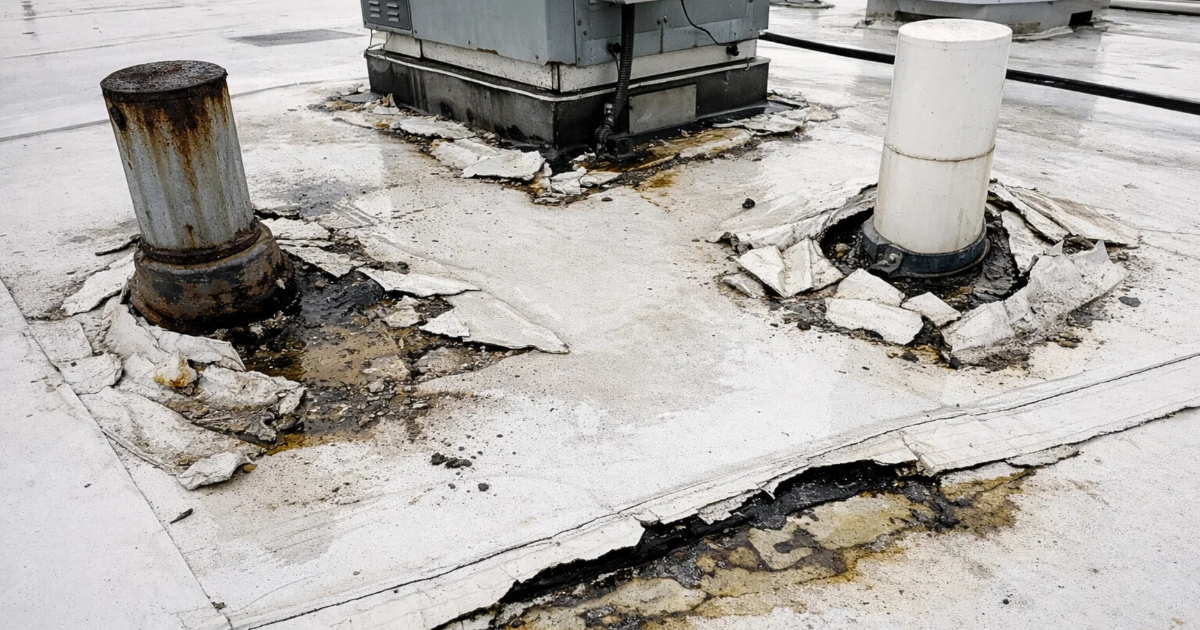
We do not install plastic wrap. We encourage people to exercise wisdom. We help people understand all the options on the menu and explain why vinyl is superior.
PVC Vinyl: The Modern Solution
PVC is vinyl. How does vinyl outperform plastic? It's flexible. Vinyl does not get brittle as easily as plastic. Vinyl gives you a 25 to 30 year roof expectancy with proper maintenance.
But the real advantage goes deeper than lifespan, it's about fire resistance, chemical resistance, and puncture resistance.
Fire Performance: The Lab Results
Southwest Research Institute's Fire Technology Department conducted comparative fire testing on three common commercial single-ply roofing materials, vinyl/PVC, TPO, and EPDM. A Bunsen burner flame was applied to samples from each material.
The results are striking.
🔹 PVC roofing sample self extinguished in 12 to 13 seconds after the flame source was removed
🔹 TPO sample continued burning for 3 to 6 minutes before complete consumption
🔹 EPDM sample continued burning for 3 to 6 minutes before complete consumption

PVC roofing membranes are inherently fire resistant. Thermoplastic PVC is a naturally fire resistant polymer, making this roofing material slow to catch or spread fire, and self extinguishing when the source of heat or flame is removed.
PVC roofs have passed both FM and UL fire testing, achieving Class A and B ratings for high and low slope roof applications. This fire resistance is critical for restaurants, manufacturing facilities, data centers, and any commercial building where fire safety is paramount.
Chemical And Acid Resistance: Industrial Environments
Here's where PVC vinyl truly separates from plastic TPO and rubber EPDM: chemical resistance.
PVC roofing membranes demonstrate excellent resistance to,
🧪 Acids and bases
🍳 Restaurant oils and greases
❄️ Air conditioning coolants
🏭 Industrial chemicals
🌧️ Acid rain from steel mills and refineries
🌡️ Harsh environmental conditions

This makes PVC the ideal choice for,
🍔 Restaurants with rooftop grease exhaust
🏭 Manufacturing facilities
⚗️ Chemical processing plants
🏢 Any building in industrial corridors
⛽ Facilities near steel mills or oil refineries
In Northwest Indiana, where acid rain is a documented issue due to proximity to US Steel, BP Whiting Refinery, and other heavy industry, chemical resistance isn't optional, it's essential.
Puncture Resistance: Durability Under Stress
PVC membranes incorporate strong polyester reinforcement, giving the membrane excellent tear, breaking, and puncture resistance. This industry leading durability helps prevent wear and tear from becoming major problems.
The reinforced layer helps PVC maintain its shape even under heavy equipment, foot traffic, and impact from hail or debris. Where TPO's plastic scrim layer can be compromised by punctures that spread, PVC's construction limits damage propagation.

Built Up Roofing (BUR) And Tar Systems: The Old Guard
We mentioned in the title that we would discuss tar, torch-down, or built up systems. But these are so antiquated, we're talking pre 1988 technology.
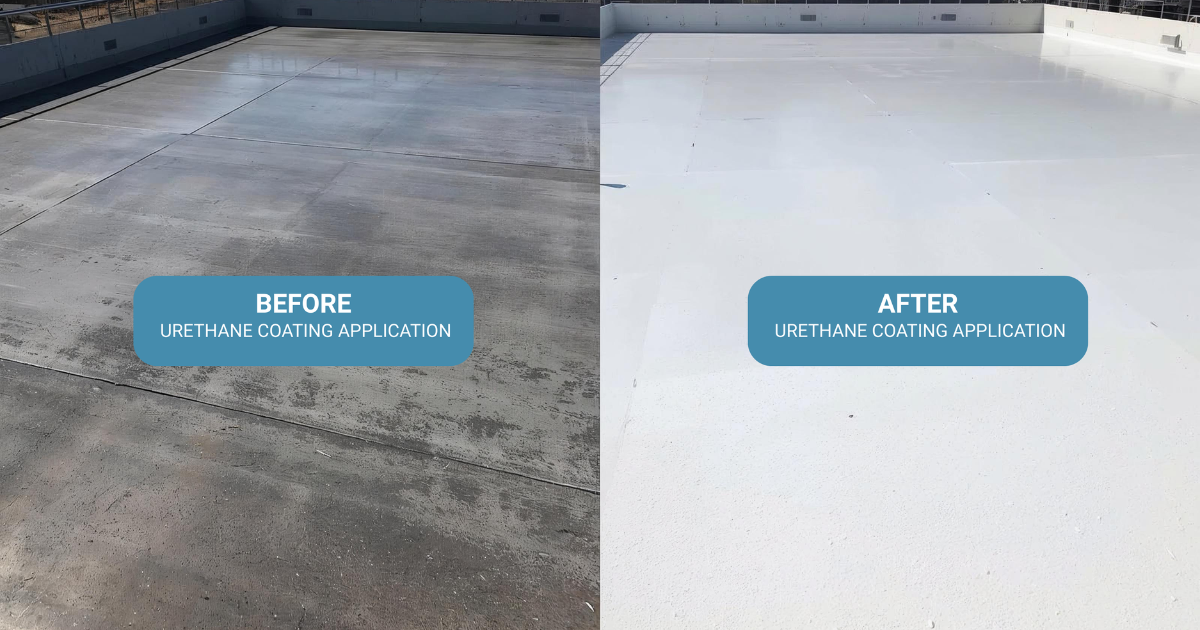
Nowadays, we go over the top of tar systems with thick urethane, which provides proper bonding. It's like turning your roof into a massive seamless water pool. We build the roof on top of your existing roof with full adhesion. Simple. Seamless. Nearly timeless.
About every 25 to 30 years, we just add a fresh coating, routine maintenance rather than full replacement.
The BUR Qualification Issue
Not every roof qualifies for coating systems. Sometimes the BUR system wrinkles, crackles, and turns into alligator skin. It has so much chemical reaction inside the layers throughout decades of decay that the roof simply doesn't qualify for a coating system approach.
That's where honest assessment matters. We don't try to force a coating solution onto a roof that needs replacement. That's not serving the customer, that's creating a future problem.
Which Roof Is Best For My Building?
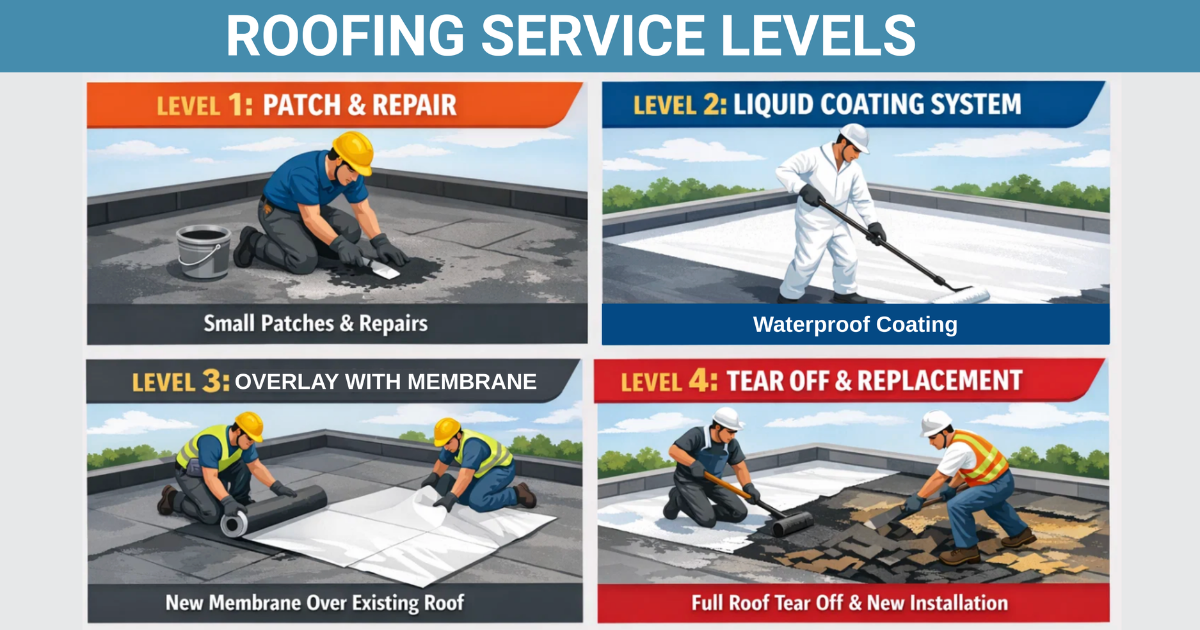
We give you the full menu. We put every option on the table. Here are the four service levels,
LEVEL 1: Patch And Repair
If we can patch it, certainly everyone wins. Lowest cost, obviously. Sometimes a roof just needs targeted repairs around penetrations, seams, or damaged sections. This extends the life of an otherwise sound roof system for several more years.
LEVEL 2: Liquid Coating System
If we can do a liquid coating, that would be excellent. This is a mid range investment in your facility's future. We apply thick urethane or silicone coatings that create a seamless, monolithic waterproofing layer. This works best on structurally sound roofs that need surface restoration.
Liquid coating systems deliver 25 to 30 year performance when applied correctly. The seamless nature eliminates the primary failure point of traditional roofing, seams.
LEVEL 3: Overlay With Membrane
If we have to do an overlay, we add a layer of thick, rigid walkable insulation and then apply membrane or liquid coating. That's the next step up.
This approach improves your building's insulation values (important for energy efficiency and potential tax benefits under Section 179D), provides a fresh waterproofing layer, and extends roof life significantly, all without the disruption and cost of full tear off.
LEVEL 4: Total Tear Off And Replacement
Worst case scenario for totally rotted out roofs, we might have to do a total tear off and replacement. But we don't try to go right to level four if it's unnecessary.
Some roofs have experienced too much moisture infiltration, structural deck damage, or have so many layers that building codes require removal. In these cases, tear off and replacement is the only viable option.
We assess your specific situation honestly. We're not trying to oversell or undersell. We're trying to give you the solution that makes sense for your building, your budget, and your timeline.
The Research You Need: Lab Testing And Specifications
The purpose of this article is to get people to stop researching the wrong materials and start understanding what modern roof chemistry actually delivers.
You've been hunting for information on plastic versus rubber, TPO versus EPDM, but you were unaware of modern liquid coating systems and vinyl membranes. Now you're comparing four product categories, and that research requires a little more digging into significant data, tables, and spreadsheets.
Download The Lab Comparison Sheet
We have a whole website dedicated to the science of measuring roof materials over at modernroofchemistry.com. But here's a super simple summary of lab testing for each material type.
Our comprehensive roofing materials lab comparison sheet includes,
🔥 Fire resistance test results (exact time-to-extinguish data)
💪 Puncture and tear resistance ratings
🛡️ Chemical resistance specifications
🌡️ Temperature performance ranges
🌞 UV degradation testing results
⏳ Lifespan expectations under various conditions
📜 Department of Defense specifications and restrictions
💰 Cost benefit analysis over 20 year periods
We're not trying to give away all our research to the competition, so you need to have a building we're able to look at as a prospect. That's fair. You get genuine data. We get the opportunity to potentially serve you.
Northwest Indiana's Industrial Reality
Let's talk about where you are and why it matters.
Northwest Indiana, Lake and Porter Counties specifically, presents unique roofing challenges. We're in the industrial heartland. US Steel, BP Whiting Refinery, numerous manufacturing facilities, and heavy industry create an environment that's tougher on roofs than most regions.
Acid rain isn't a hypothetical concern here, it's a measured reality. The atmospheric particulates, chemical emissions, and industrial byproducts settle on your roof daily. This environment accelerates the degradation of plastic TPO membranes and compromises the seam adhesives in EPDM systems.

That's why chemical resistance matters. That's why fire resistance matters. That's why we don't install materials the Department of Defense considers short term solutions.
Your building deserves better than plastic wrap. It deserves better than moisture trapping rubber. It deserves modern roof chemistry that was engineered for exactly this environment.
What Happens Next?
Understanding roofing materials is step one. Getting an honest assessment of your specific roof is step two.
We don't show up with a predetermined pitch. We show up with moisture meters, infrared scanning equipment, and decades of combined experience. We tell you what your roof actually needs, not what generates the biggest sale.
Sometimes that's a simple repair. Sometimes it's a coating system. Sometimes it's a full replacement. But you'll know the truth because we'll show you the evidence.

The Bottom Line
Modern roof chemistry has evolved beyond TPO plastic and EPDM rubber. The Department of Defense knows it. Independent fire testing proves it. Chemical resistance data confirms it. Lifespan comparisons validate it.
You came here asking which commercial roofing material is best. The answer isn't found in comparing yesterday's technology. The answer is understanding what modern solutions exist and which one your building qualifies for.
PVC vinyl membranes deliver 25 to 30 years of fire resistant, chemically resistant, puncture resistant protection. Liquid urethane coating systems create seamless waterproofing that lasts decades. Both outperform plastic and rubber in every measurable category that matters.
But don't take our word for it. Download the lab data. Read the Department of Defense specifications. Look at the fire test results. The evidence speaks clearly.
Your building is a significant investment. Your roof is its first line of defense. Make decisions based on data, not dated assumptions.
Download your lab comparison sheet. Get the facts. Make the informed choice.
Related Resources
For more information on protecting your commercial investment,
• Read about why prevention beats procrastination in commercial roofing maintenance: Commercial Roofing Truths: Why Prevention Always Beats Procrastination
• Understand winter damage risks and prevention strategies: Commercial Flat Roof Winter Damage and Prevention Tips
• Explore the science behind modern roofing materials: ModernRoofChemistry.com
Deep Dive Into Specific Topics
- YourWarrantySaysWhat.com (Loophole analysis)
- SiliconeIsSilly.com (Why we don't do silicone)
- WeWashFlatRoofs.com (Maintenance matters)
- BigBeautifulRoofBill.com (Transparent pricing guide)
- ModernRoofChemistry.com (What's going on up there?)
- SchoolEnergyRebates.com (Energy grants for schools)
- RelationshipRoofing.com (What matters more?)
- MeetYourInstallers.com (Fabulous families)
- RoofServiceMenu.com (What are my options?)
- TenantRoofRights.com (Tenant questions)

Read other blog:
We Love Conversations
 SoHelpful@PristineIndustrialRoofing.com