
Commercial Flat Roof Winter Damage And Prevention Tips
Freeze thaw cycles expand water in cracks, causing leaks, splits, ice dams, and mold on commercial flat roofs. Snow and trapped moisture add weight and hidden risks. Winter inspections with proper safety and cold weather materials prevent costly repairs. Pristine Roofing offers leak detection, maintenance, and winter ready installations.
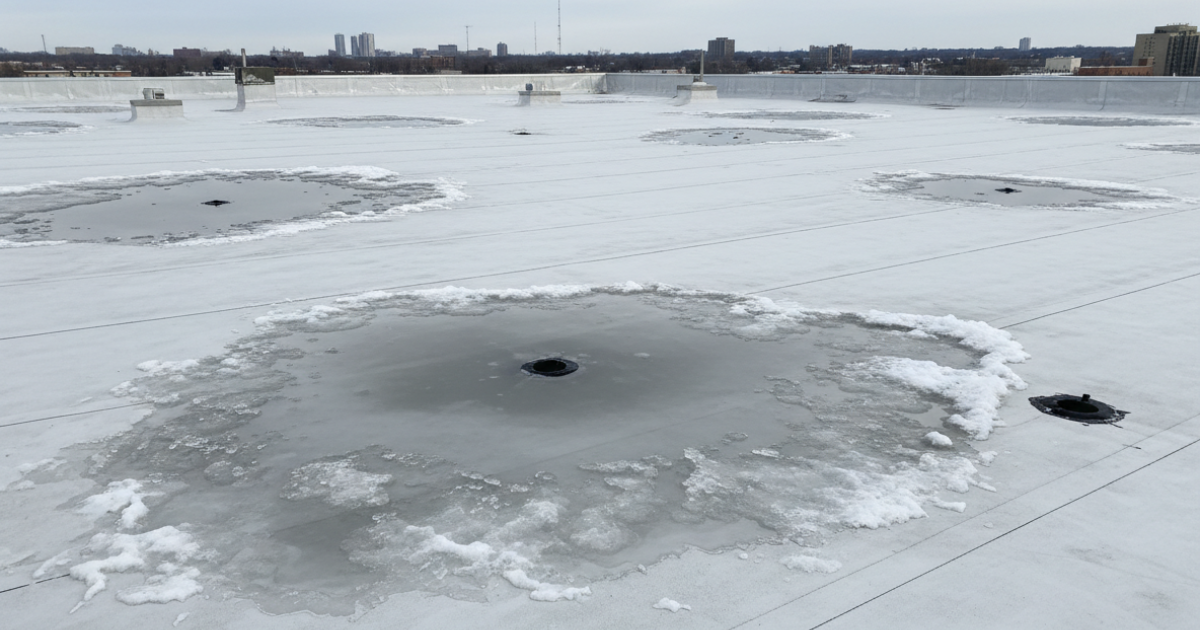
🔲 Water freezes, expands, and cracks your flat roof, daily cycles turn small issues into costly winter leaks.
🔲 Snow, hidden leaks, and trapped moisture can sag roofs, damage flashing, and fuel mold growth.
🔲 Cold weather inspections catch hidden roof problems early, preventing emergencies and expensive repairs.
🔲 Pristine Roofing delivers winter ready inspections, leak detection, and materials built for freezing conditions to protect your building.
Water is so weird, it expands about 9% when it freezes, unlike any other substance. On your flat roof, this little quirk can cause big problems every winter.
Most materials shrink by 3 to 10% as they solidify, but ice does the opposite. If water contracted like everything else, ice would sink, lakes would freeze from the bottom up, and aquatic life wouldn’t survive winter.
The Science Behind Freeze Thaw Damage
Water seeping into cracks in your commercial flat roof expands when it freezes. Daily freeze thaw cycles act like a hydraulic jack, gradually widening gaps, damaging seams, and causing winter roof leaks.
On flat roofs, ponding water can sneak into insulation and membranes. When it freezes, it stretches, pushing deeper into the roof system. When it thaws, it penetrates further. Over time, this cycle widens tiny slits into splits, pulls flashing apart, creates ice dams that block drainage or causes interior leaks and mold growth.
The result? Small problems in fall can become major, costly repairs by spring.
Common Winter Roof Risks
Winter risks for commercial flat roofs go beyond ice. Heavy snow adds weight, causing sagging and structural strain. Hidden leaks can go unnoticed under snow, while trapped moisture promotes mold, threatening air quality and building safety.
Many building managers miss these signs until it’s too late, but proper winter inspections catch them early.
Winter Roof Inspections Are Still Possible
Even in freezing conditions, your roof can, and should, be inspected. With the right precautions.
➜ Avoid metal tools that can damage membranes, use plastic edged shovels or snow blowers for light, dry snow.
➜ Use eco friendly, non corrosive ice melt to protect flat roofs.
➜ Tie off ladders, wear proper boots, and use harnesses to prevent slips.

Some materials even allow installation in cold weather. For example,
➜ Vinyl Membrane (Flexion 2.0). Can install down to 0°F using heat sealed thermal welding, no glue required.
➜ Affinity Urethane Coatings. Require 8 to 12 dry hours, even below freezing, for proper curing.
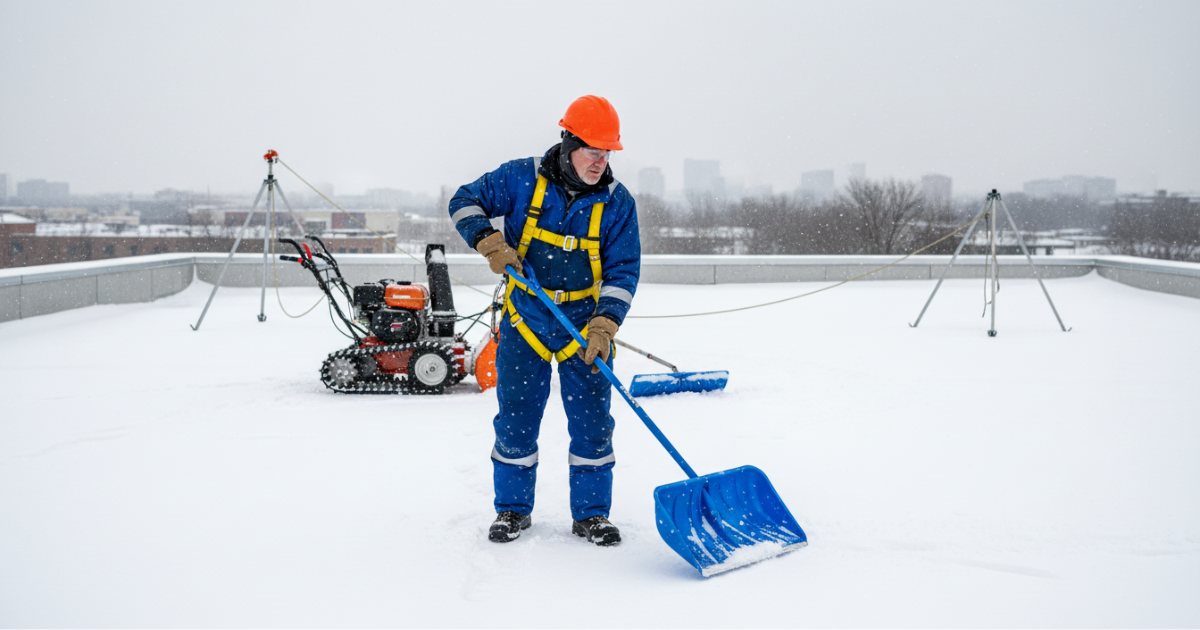
Winter inspections prevent emergency repairs and identify hidden problems before they escalate.
The Pristine Advantage
At Pristine Industrial Roofing, we specialize in winter ready inspections.
✅ Advanced leak detection, even under snow
✅ Prevention first maintenance plans
✅ Materials and installation methods suitable for freezing conditions
Don’t wait for spring damage to surprise you. Schedule your winter roof inspection today and protect your building before it’s too late.
Related Resources
For more information on protecting your commercial investment and making environmentally responsible choices,
- Finding the Right Commercial Roofing Solution
- The Four Party Warranty Responsibility Matrix | Who Actually Pays When Your Roof Fails?
- Commercial Roof Warranties Explained | Protection Beyond the Installation
- The Complete Guide To Commercial Roofing Materials | Durability Meets Cost Effectiveness
- Before You Fix the Roof, Fix the Conversation
Deep Dive Into Specific Topics
- YourWarrantySaysWhat.com (Loophole analysis)
- SiliconeIsSilly.com (Why we don't do silicone)
- WeWashFlatRoofs.com (Maintenance matters)
- BigBeautifulRoofBill.com (Transparent pricing guide)
- ModernRoofChemistry.com (What's going on up there?)
- SchoolEnergyRebates.com (Energy grants for schools)
- RelationshipRoofing.com (What matters more?)
- MeetYourInstallers.com (Fabulous families)
- RoofServiceMenu.com (What are my options?)
- TenantRoofRights.com (Tenant questions)

Read other blog:


We Love Conversations
 SoHelpful@PristineIndustrialRoofing.com