
There Is Money Trapped Above Your Head
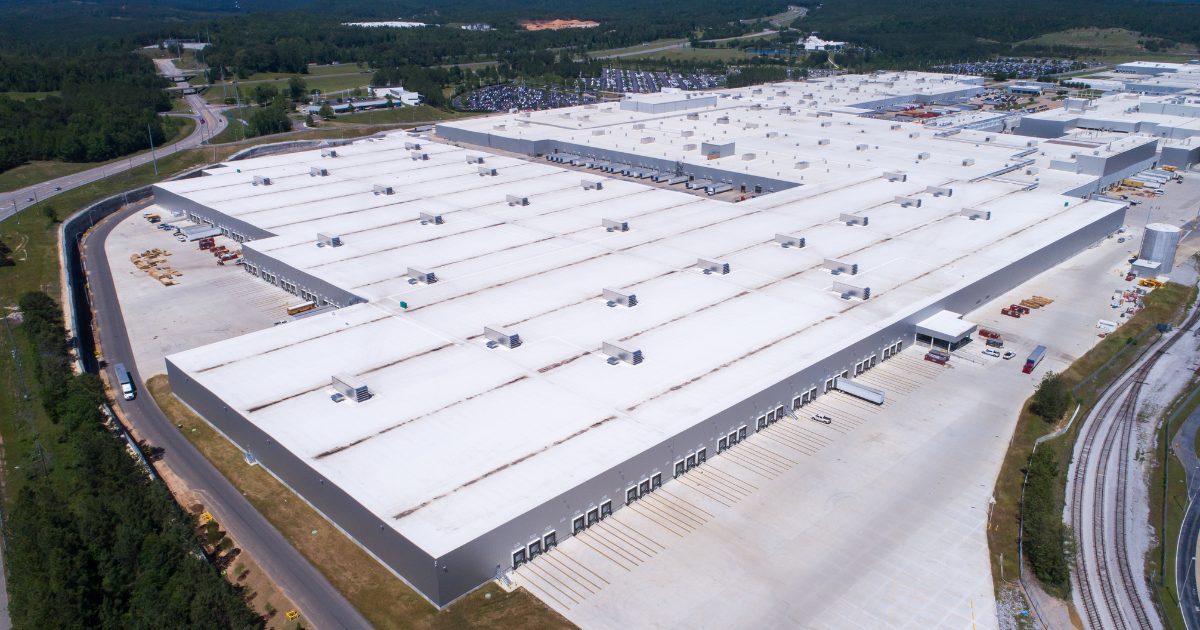
Your wet insulation, your black heat-magnet roof, and your quietly rotting decking are draining the building every month, and most owners never feel the leak until it stains the ceiling. Once moisture gets into flat-roof insulation, it can shed 40% to 55% of its R-value. A dark roof can run 50°F hotter than a reflective one. Every soaked inch and every scorching degree is money you are paying to lose.
1. Water conducts heat roughly 20 times faster than the trapped air your insulation depends on, so wet insulation is barely insulation at all.
2. Damp fiberglass and fibrous roof insulation can lose 40% or more of its R-value; industry testing shows around 1% moisture can cut it in half, and 20% moisture can strip away 55%.
3. Dark roof surfaces absorb 70% to 95% of the sun and can hit 160 to 190°F. A reflective coating can run the surface 50°F+ cooler.
4. Reflective coatings can cut commercial cooling energy roughly 7% to 17% and trim peak cooling demand 10 to 15%.
5. Neglected commercial roofs often fail at 12 to 18 years; well-maintained ones routinely pass 25 to 30.
6. Preventative maintenance runs about 5 to 9 cents per square foot; a full replacement runs $7–$20+ per square foot. The National Roofing Contractors Association pegs the return near $4 saved for every $1 spent.
7. Roughly 80% of commercial roofs are replaced early, not because the material died, but because nobody defended it.
THE TRUTH NOBODY PUTS ON A QUOTE: Your roof is not just protection sitting up there. It is a bank account. And right now, for a lot of buildings in Lake County and Porter County, that account is leaking cash through the ceiling one wet degree at a time.
The Quick Snapshot
If you own or manage a flat commercial roof and you are only thinking about it when it leaks, you are already losing money you cannot see. Money hides in three places up there: soaked insulation that stopped insulating, a black surface that turns your roof into a heat magnet, and decking that quietly rots the moment moisture reaches the bones. The fix is not glamorous. It is prevention, caught early, it pays you back for decades. Read on and we will show you exactly where your money is hiding.
FAQ, Money Hiding in Your Roof
Q: How does wet insulation cost me money?
A: Insulation works by trapping still, dry air. Water moves heat about 20 times faster than air, so once insulation gets damp it can lose 40% or more of its R-value, roughly half at just 1% moisture. You keep paying full price for heating and cooling while getting a fraction of the protection you bought.
Q: Why does a black roof cost more than a reflective one?
A: A dark surface absorbs 70% to 95% of the sun and can reach 160–190°F on a hot day. That heat drives into the building and your air conditioner fights it back out. A reflective coating keeps the surface 50°F+ cooler and can cut commercial cooling energy roughly 7% to 17%.
Q: Is it cheaper to maintain a roof or replace it?
A: Maintain it. Preventative maintenance runs about 5 to 9 cents per square foot. A full replacement runs $7 to $20+ per square foot, often years early. Industry data puts the return near $4 saved for every $1 spent on maintenance, and maintained roofs commonly last 30% to 50% longer.
Q: How do I know if my insulation is wet if the roof looks fine?
A: You usually cannot tell from the ground or even a quick look. Moisture hides between the membrane and the decking. It takes a moisture scan and, when needed, a core sample to weigh the soaked areas. That is why a real evaluation includes measurement, not just a visual glance and a handshake.
Q: What is FLEXION 2.0 and how long does it last?
A: FLEXION 2.0 is our vinyl membrane system for flat commercial roofs, chosen when a building needs a durable, reflective, long-term surface. It carries a 25-year / 300-month warranty. Unlike a shiny coat that bakes down after a season, it is engineered to keep performing and protecting the layers underneath for the long haul.
Q: My roof already leaks, is it too late?
A: Not necessarily, but move now. A visible ceiling stain usually means moisture has been working for months. The sooner it is measured, the more of the insulation and decking can be saved instead of replaced. Waiting is what turns a pennies-per-square-foot repair into a dollars-per-square-foot rebuild.
Q: Can a better roof really lower my utility bills?
A: Yes. Two things drive it: dry insulation that actually holds its R-value, and a reflective surface that stops absorbing the sun. Together they reduce how hard your HVAC works. Reflective commercial roofs commonly trim cooling energy 7% to 17% and cut peak demand 10 to 15% on the hottest, most expensive days.
The Money You Can’t See Is Still Your Money
There is a famous question in a very old book: where shall wisdom be found? The writer spends a whole chapter on it, and here is the dad-joke wisdom tucked inside, you do not just stumble onto the good stuff. You hunt it down. It is not hiding under your pillow. It does not pop up from the ground on its own.
Money works the same way. People treat it like it should just appear, and then wonder why the building keeps costing them. But money on a commercial roof is real, it is measurable, and it is hiding in plain sight, above your head, in the layers you never look at. You just have to know where to hunt.
Every roof is three layers. The skin on top. The muscle and fat in the middle, that is your insulation. And the bones underneath, the decking. Money can hide in all three. Let us open them up one at a time.
Trapped in the Insulation: The Wet Sponge Nobody Is Weighing
Here is the part almost nobody explains. Insulation does not work because the material is magic. It works because it is full of tiny pockets of still, dry air. That trapped air is the whole game. Now let water in, and the game is over, because water moves heat about 20 times faster than air. The second your insulation gets damp, it stops being a blanket and starts being a bridge that carries your paid-for heat and paid-for cooling straight through the roof.
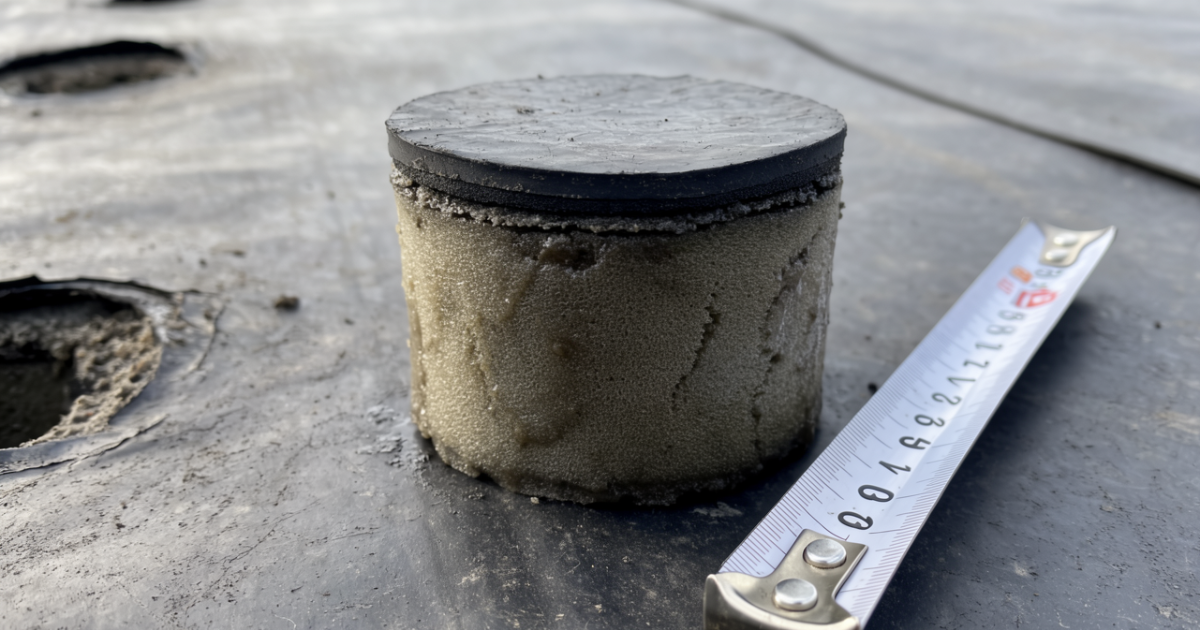
And this is not a small penalty. Damp fibrous insulation can lose 40% or more of its rated R-value. Field and lab testing referenced by ASHRAE and ASTM has shown that as little as 1% moisture content can cut insulating value roughly in half, and around 20% moisture can carry away 55%. On flat and low-slope roofs, that insulation is wet or damp a surprising share of the year. You bought R-30. You are running R-15. You are paying the utility company for the other half every single month.
“You bought R-30. You are running R-15. You pay for the difference every month.”
That is the money hiding in the darkness of your insulation. A wet blanket is not a blanket, it is a rag. And the worst part is you cannot see it from the ground. It takes a moisture scan to weigh that soaked sponge. Once we find it, we cut it out, dry the bones, and rebuild the layer so it insulates again. That recovered R-value is money coming back to you.
The Heat Magnet Over Your Head
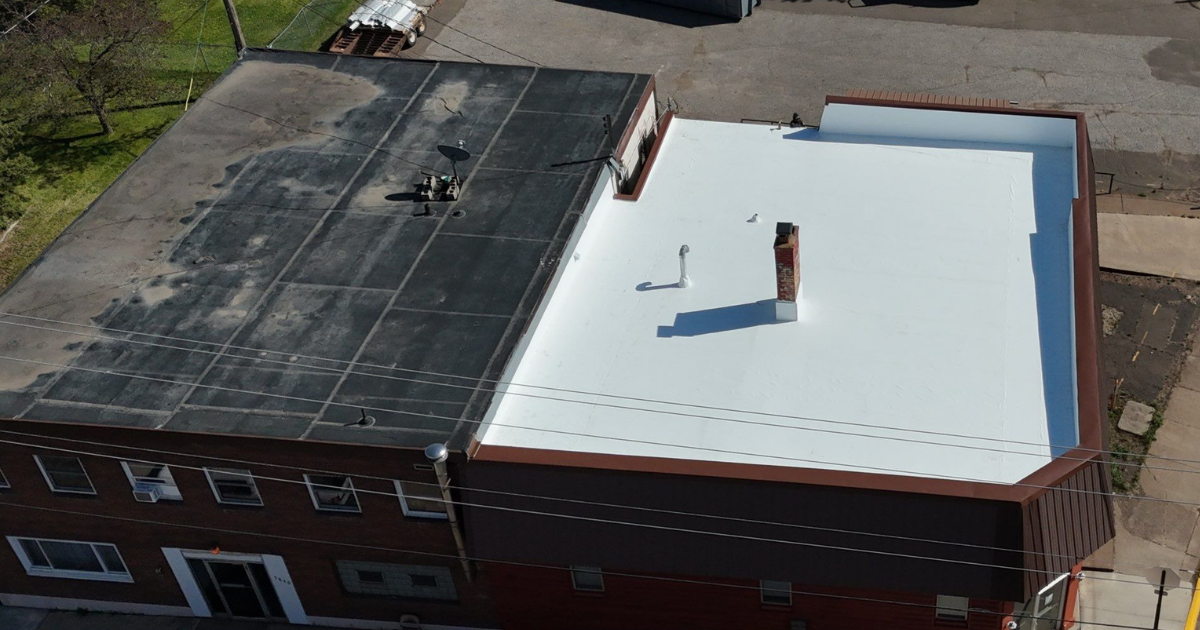
Now look at the color of your roof. If it is black, you own a heat magnet. A dark surface absorbs somewhere between 70% and 95% of the sun that hits it, and on a hot afternoon it can climb to 160, 180, even 190°F. The sun is expensive. The sun cooks you, and it cooks your building, and every degree it drives into that roof is a degree your air conditioner has to fight back out.
Flip that surface bright and reflective and the math flips with it. A reflective coating bounces the majority of that energy back at the sky. Studies put the surface 50°F or more cooler, and cooling energy on a commercial building drops roughly 7% to 17%, with peak-demand savings of 10–15% on the hottest days, exactly when your utility rates spike. This is what we mean by thicker is brighter: a proper reflective coat over sound insulation is a one-two punch on your energy bill.
Compare that to the folks selling sparkle dust, black tar with a dusting of aluminum chips thrown on top. It looks shiny in the parking lot for about a season, then it bakes down and you are back to a heat magnet. A real reflective system holds. Our FLEXION 2.0 vinyl membrane carries a 25-year / 300-month warranty because it is built to keep performing, not just to look good on install day.
Quick question before you keep reading:
Do you actually know how much of your roof is wet right now? Most owners have never had it measured. Drop your email and we will send you our one-page “Where Is My Money Hiding” roof checklist, the same walk-through our crew uses on a real evaluation. One email. That’s the whole ask.
The Bones Are Where the Real Money Lives
Under the insulation is the decking, the bones. Keep the bones dry and healthy and they endure for decades. But let the rancid rot get started, the stench, the mildew, the mold working down through a leak, past the skin, into the insulation, and finally into the bones, and now you are not paying for a repair. You are watching your own property get destroyed from the inside.
That is the cruel part of a roof leak: by the time it shows up as a stain on the ceiling, the damage has usually been growing for months in the dark. The lady we drove out to see this week already knew it. She could feel it, rot, holes, leaks, rips, tears, weakness in the ceiling coming down from the roof. She did not need convincing that she had a problem. She just wanted the right material and the right manpower to solve it before the bones were gone.
Once the decking is compromised, the cheap fix is gone. Now you are into structural work, tear-off, and replacement, the $7-to-$20-per-square-foot conversation instead of the pennies-per-square-foot one. The money hiding in your decking is the money you keep by never letting the rot reach the bones in the first place.
Prevention Is a Deposit, Not an Expense
So where is the biggest pile of hidden money? Prevention. Preventative maintenance is not a cost, it is a deposit into the account over your head. Catching a small problem before it spreads is you defending your castle. And here is the line worth taping to the wall:
“This pretending that you’re defending needs to be ending.”
Because a lot of owners are faking themselves out. They think they have a plan. They have never activated the plan. The plan is a folder. The plan is a good intention. Meanwhile the water keeps hunting for the bones. A plan you never turned on is not defense, it is a story you tell yourself while the roof does whatever it wants.
The numbers make this an easy call. Preventative maintenance runs roughly 5 to 9 cents per square foot. A neglected roof gets replaced at $7 to $20+ per square foot, and often years early. The National Roofing Contractors Association puts the payback around $4 saved for every $1 spent, and maintained roofs routinely last 30% to 50% longer. Yet somewhere near 80% of commercial roofs get replaced before their time, not because the material failed, but because nobody activated the plan.
Measured. Desirable. Believable. The savings are measurable, a longer-lasting roof is desirable, and the field evidence makes it believable. That is not a sales pitch, that is arithmetic.
Money Is Many Shapes
Here is the mindset shift, and it is the whole point. Money above your head does not always look like money. Sometimes it takes the shape of a wall. Sometimes it forms a ceiling. Sometimes it is a layer of dry insulation, or a reflective surface, or a healthy deck that just keeps doing its job quietly for another decade. People cannot wrap their heads around it because it does not look like cash, but it spends exactly the same.
You do not find that money by not looking for it. If you are not measuring, not scanning, not shaking hands with someone who can actually diagnose the layers, it stays hidden and it stays leaking. Go to where the problem is. Get it measured. Get a real solution. That is how you stop paying to lose money you already own.
The Bottom Line
Your roof is a bank account you have been ignoring. Wet insulation is money leaking as wasted energy. A black roof is money leaking as heat you pay to remove. Rotting decking is money leaking as future replacement you could have prevented. And the master key to all three is prevention, activated, not pretended. Defend the castle before the rot reaches the bones, and the roof over your head starts paying you back instead of billing you.
You’ve reached the end, so here’s the one ask:
Drop your email and we’ll send you the “Where Is My Money Hiding” roof checklist, plus a note when we’re running free evaluations in Lake and Porter County. No 15 links, no runaround. One email, real answers about your building.
Pristine Industrial Roofing
Conklin-certified commercial flat-roof specialists serving Lake County and Porter County. Liquid-applied coatings, FLEXION 2.0 vinyl membrane, and metal restoration, built to last, documented top to bottom. Hobart-based. A Gospel Business: proceeds further outreach and worldwide missions.
📞 219-529-1995 · PristineIndustrialRoofing.com · Financing paths at CreativeRoofFunding.com
Read other blog:


We Love Conversations
 SoHelpful@PristineIndustrialRoofing.com