
Secure the Castle Before You Fund the Conquest
Why the Smartest Money Move You Make This Year Might Be the One You Can’t See from the Parking Lot

🔲 The Real Risk Isn’t the Roof, It’s Organizational Misalignment. The biggest problem isn’t the physical condition of the roof, it’s the disconnect between leadership (vision), finance (budget control), and maintenance (reality). When these three aren’t aligned, costly inaction becomes the default.
🔲 Deferred Maintenance Is a Hidden Financial Drain. Waiting to fix the roof may feel financially responsible, but it quietly compounds costs through higher repairs, energy loss, and insurance risks, turning “saving money” into “paying more later.”
🔲 Your Building Is the Engine of Your Cash Flow. The property isn’t just an asset, it’s the system generating revenue. Neglecting it weakens every future investment decision. Smart operators protect their core income-producing asset before chasing new opportunities.
🔲 Doing Nothing Is an Active (and Expensive) Decision. Avoiding the issue doesn’t eliminate cost, it multiplies it over time. Proactive maintenance and timely investment shift you from reactive spending to long-term financial protection.
A Quick Word Before We Get Into It
This might sting. But it’s fatherly. And it’s necessary.
I’m going to be overly helpful here. That’s just my nature. I’m that friend who says things to your face that most people only whisper behind your back. Not because I enjoy the discomfort, but because somebody has to.
If you’re an executive, an owner, a decision-maker with a building that earns you money, you’ve earned the right to filter advice. You didn’t get to where you are by taking direction from everyone who showed up with an opinion. I respect that deeply.
So it’s perfectly fine if you say no to the majority of this. But I think you should sit with it. Ponder it. Sketch out some numbers. See if the conversation inside your own organization needs a disruption. Because your patterns need a shake-up every once in a while. That’s why business masterminds exist — someone from outside your world walks in and rattles the furniture. You just have to let it happen.
“Your patterns need disruption every once in a while. You just have to let it happen.”
Three People Are Having This Argument Right Now
And they’re all inside your organization.
Every commercial building with a flat roof has three people locked in a quiet, ongoing tension. They don’t always talk to each other directly. But the decisions they make, or avoid, determine whether that building thrives or slowly bleeds money for the next decade.
Let me introduce you to them. You’ll recognize every one.
Bill, The Owner
The ambition. The vision. The one who signs the checks and swings for the fences.

Bill is the entrepreneur. He’s aggressive within reason. He wants to double his money, expand the portfolio, and hear someone at dinner say, "Man, you really know how to turn a buck."
Bill thinks in terms of offense. New acquisitions. New markets. Cash-on-cash returns. He can show you a spreadsheet that proves 25% returns on his next real estate play. He’s not wrong about the math. He’s just missing a variable.
Because while Bill is planning the next conquest, the castle he already owns is quietly deteriorating. The roof he can’t see from the parking lot is holding water. The insulation is crushed. The membrane is cracking at the seams. And every dollar of deferred maintenance is compounding like interest on a loan he didn’t know he took out.
Bill’s blind spot isn’t ambition. It’s the assumption that defense can wait.
Nance, The Finance Gatekeeper
The moderator. The budget queen. The one whose mantra is “keep it safe and balanced.”

Nance is the CPA, the controller, the head of finance, whatever the title is in your organization. Her job is to protect the flow of money. She’s the immune system of your company’s finances. Nothing gets approved without passing through her filter, and that filter is calibrated for caution.
Nance wants to save up for seven years and then pay cash for the roof. She’d rather defer than borrow. She’d rather patch than replace. And from a pure balance-sheet perspective, she’s not crazy. She’s protecting the reserves.
But here’s what Nance doesn’t always see: deferral has its own cost. Every year the roof ages without intervention, the repair number grows. The energy bill creeps. The insurance carrier starts asking harder questions. The “save now” strategy is quietly becoming the “pay more later” strategy, and it’s invisible on a quarterly P&L until it isn’t.
Nance’s instinct to protect the budget is right. Her timeline might not be.
“The ‘save now’ strategy is quietly becoming the ‘pay more later’ strategy. And it’s invisible on a quarterly P&L until it isn’t.”
Kenny, The Maintenance Realist
The boots on the ground. The one who’s been up there. The one who’s done trying to paint over the problem.

Kenny is typically a little older. Semi-retired maybe, or just seasoned. He goes building to building, patching, caulking, doing what he can with a $1,000 budget and whatever’s on the shelf at the hardware store. He’s been doing this for years. He’s loyal. He’s resourceful. And he’s exhausted.
It’s like trying to paint a moving freight train. Some things Kenny keeps on his plate. Other things he’s finally ready to say out loud,
“Look, I’m not a dermatologist. You’re asking me to fix the skin of this roof like I’m performing cosmetic surgery, but all I’ve got is hardware store makeup. I patched those seams three years ago. I patched them again five years before that. The water isn’t leaving the building. It’s pooling because the insulation underneath is crushed flat and there’s nowhere for it to go. I’ve been splashing concealer over wrinkles when the real problem is structural. This is beyond my scope and it’s beyond my budget. So either get serious about this, or stop asking me to perform miracles with a tube of caulk.”
Kenny isn’t complaining. He’s advocating. He’s telling you that he’s taken this building as far as he can take it, and now you need a professional with the right chemistry, the right engineering, and the right warranty to take it across the finish line.
He’s also telling you something valuable: he knows what doesn’t work. He’s tried the tar patch. Watched it peel. Tried the silver spray. Watched it seal shut every future option. He can give you a don’t-buy list. And he can tell you clearly that the next move requires someone with a different set of tools.
Kenny’s limitation isn’t skill. It’s authorization. He needs you to fund the real fix.
The Real Problem Isn’t the Roof. It’s the Disconnect.
Bill, Nance, and Kenny aren’t fighting each other. They’re operating without a shared reality.
Bill doesn’t know how bad it is because he’s never been on the roof. Nance doesn’t know the true cost of waiting because nobody’s shown her the compounding math. Kenny knows the truth but doesn’t have the authority or the budget to act on it.
The triangle stays stuck. And the building keeps aging.
What breaks the cycle is a conversation. A real one. Where the budget matches the reality of the work being done. Where the executive branch and the finance department and the boots on the ground all look at the same set of facts and make a decision together.
Peace inside the company starts when the people making the money, the people guarding the money, and the people spending the money are all reading the same report.
Defend the Castle. Then Fund the Conquest.
Your building is the mothership. Treat it like one.
Here’s the philosophy, and it’s simple enough to write on a napkin,
“Protect your cash-flowing assets before making aggressive risk decisions elsewhere.”
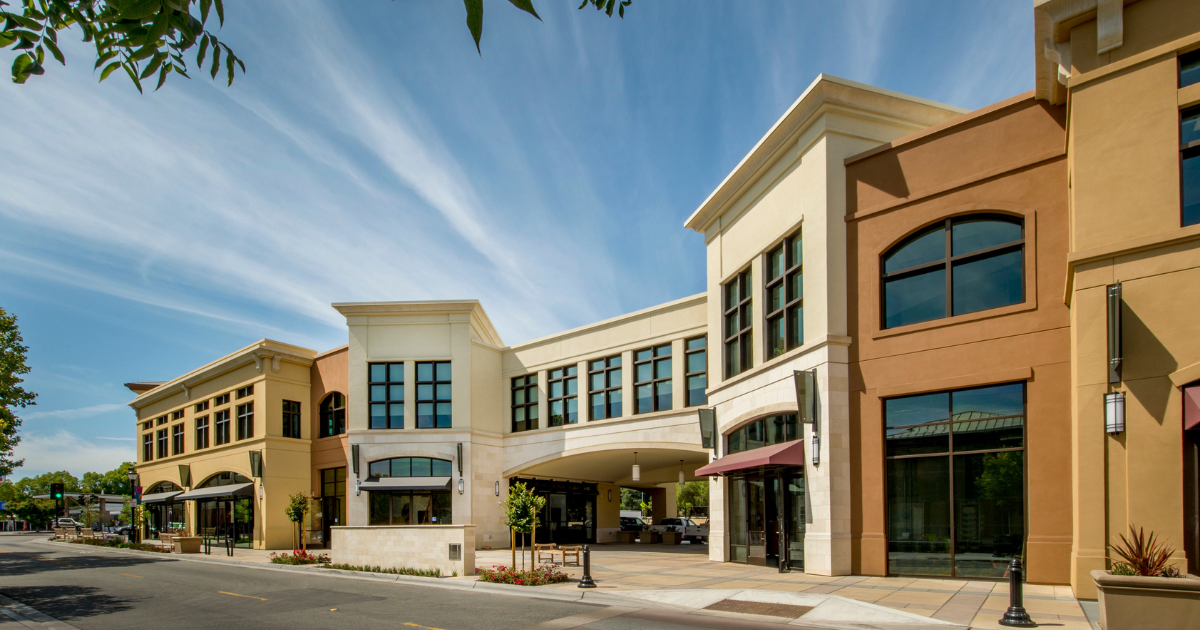
Your building is not just a building. It’s the machine that funds everything else. It’s the factory floor. It’s the environment where your employees produce. It’s the storefront where your community comes to participate in what you’ve built. It’s the mothership.
And if the mothership is leaking, rotting, wasting energy, and demoralizing the people inside it, then every dollar you invest elsewhere is coming from a weakened position.
Think of it like this. Nobody loves a building. Not really. But we love the people inside those buildings. We love the relationships. The conversations. The dinners with the team after a big win. The family time that’s only possible because the business is healthy.
The best motive for maintaining your building isn’t pride or property value. It’s love. And love should be connected to humans, not to stuff.
We don’t love business. We love what business makes possible. So protect the thing that makes it all possible. Seal it. Make it airtight and watertight. Defend the basics. And then go forth with confidence to serve the world with everything you’ve got.
“What If I Just Do Nothing?”
That’s been your strategy for several years. Let’s look at how that’s turning out.
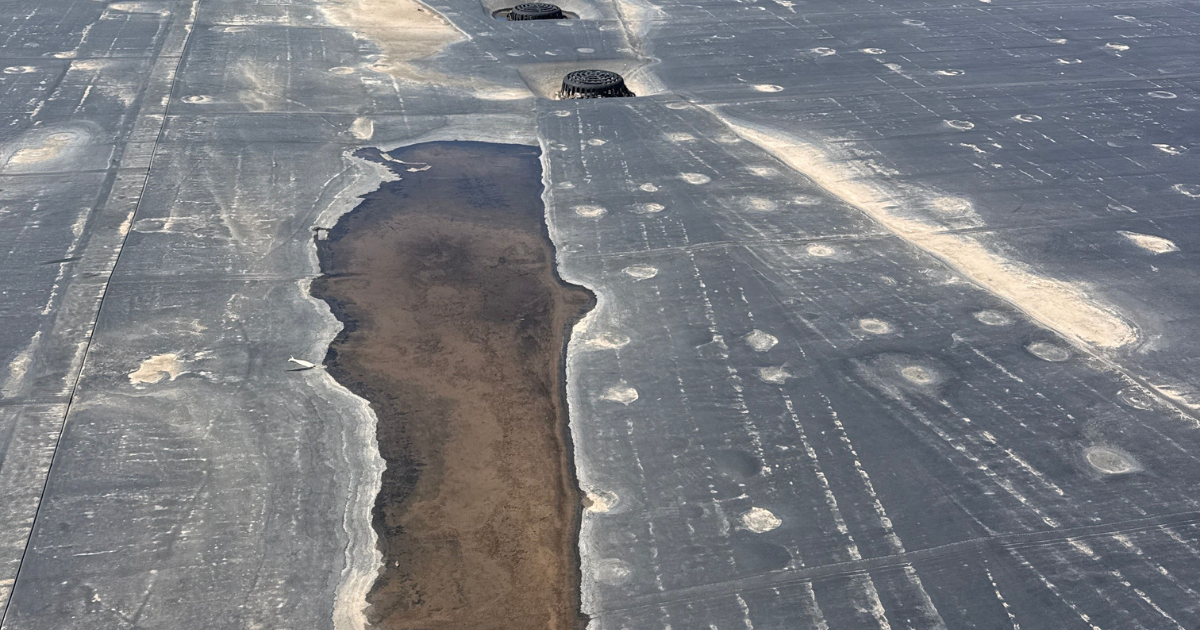
The number one response we hear from building owners is some version of: “I don’t want to think about it. I’ll deal with it next year.”
We get it. The roof is big and expensive and invisible. Pushing it off feels like it costs nothing. But doing nothing is its own line item. It’s just hidden.
Doing nothing means your insulation keeps absorbing moisture and your NIPSCO bill keeps climbing. It means the membrane keeps cracking and the deck underneath keeps softening. It means Kenny keeps patching with materials that won’t hold. It means Nance keeps writing checks for emergency repairs that cost three times what a planned restoration would have. It means the insurance carrier sees a building with no documented maintenance history and adjusts your premium, or declines your claim, accordingly.
Doing nothing is expensive. For you. For your children. For your grandchildren. Getting ahead of the roof and reducing the velocity of aging is not an expense. It’s a protection of your family’s wealth.
Business loves cash flow. Cash flow must be protected. So get the roof right. Shift from a reactive posture to a preventative posture. Gain the confidence that comes from knowing your home base is sealed, airtight, and watertight. And then go forth.
“Doing nothing is expensive. For you. For your children. For your grandchildren.”
Coming Next: What Actually Goes on a Flat Roof And What Doesn’t

Kenny has a list. You should hear it.
In Part 2, we’re going to let Kenny do the talking. He’s been up there. He’s tried the tar. He’s watched the silver spray seal shut every future option. He knows what fails, and he knows what works. We’re going to walk through the materials that belong on a commercial flat roof in 2026 and the ones that don’t, and narrow it down to the only two real choices you need to make.
Because once Bill, Nance, and Kenny agree that the castle needs defending, the next question is simple: with what?
✉️ You’re already thinking about a building right now.
The one you’ve been meaning to get looked at. The one Kenny’s been telling you about. That’s the one.
We’ll get on the roof with you. No surprises. No pressure. Just an honest look at what’s up there and a straight conversation about what it means.
RelationshipRoofing.com — Because this starts with a conversation.
ModernRoofChemistry.com — Because the materials matter.
Pristine Industrial Roofing — Serving commercial and industrial property owners across Lake County and Porter County.
Liquid-applied Conklin coating systems. FLEXION vinyl membranes. Proactive maintenance programs.
Read other blog:

We Love Conversations
 SoHelpful@PristineIndustrialRoofing.com