
Energy Efficient Commercial Roofing | Cut Costs While Going Green
Discover cool roof technology, reflective membranes, and insulation strategies that reduce HVAC expenses by up to 30% Why overlay and overcoat systems save money, reduce waste, and last longer than traditional tear offs.
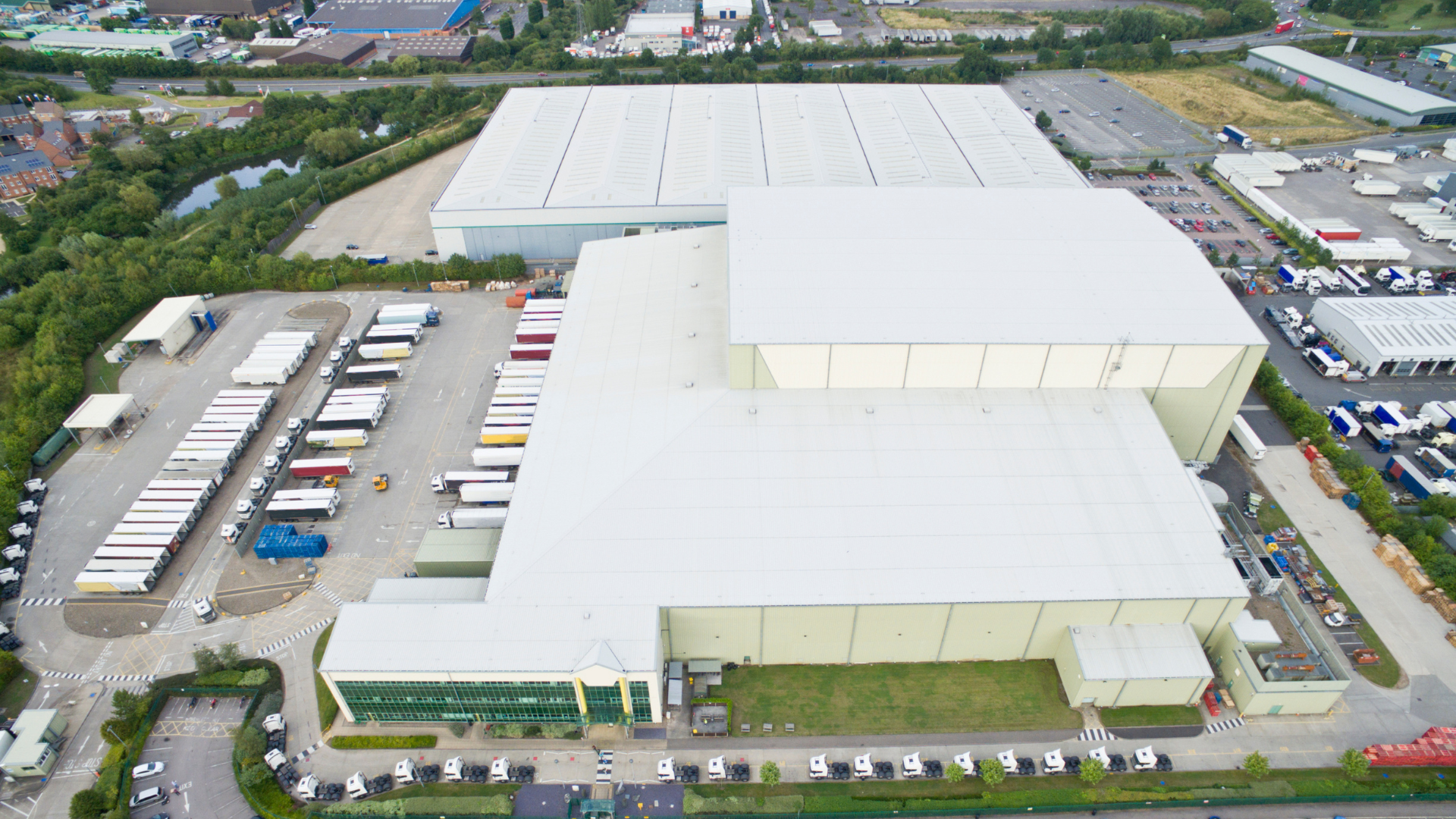
🔲 Traditional tear offs send 1 inch × 3,000 sq ft of material to landfill in a single 30 yard dumpster, that's $600 in dump fees plus $1 per square foot in labor just to remove perfectly salvageable structures.
🔲 Cheap EPS Styrofoam insulation guarantees future tear offs every 15 to 20 years, while rigid walkable foam lasts 50+ years and eliminates the planned obsolescence cycle.
🔲 Overlay and overcoat systems reduce landfill waste by 90% compared to tear off while adding superior insulation that cuts HVAC costs by up to 30%.
🔲 Modern liquid urethane and FLEXION vinyl systems create seamless 30 year roofs that can be recoated indefinitely, leaving better infrastructure for the next generation.
The Hidden Environmental Cost of Commercial Roof Tear Offs
Let's talk about what nobody wants to discuss. The commercial roofing industry runs on planned obsolescence. Most roofers need your roof to fail in 15 to 20 years because that's their business model. They're not trying to give you a roof that lasts 30+ years with simple recoating. That would hurt their repeat business.
Here's the environmental reality of that model.
The Tear Off Math Nobody Shows You
A typical commercial building with 3,000 square feet of roof surface and just 1 inch of material produces enough waste to fill one complete 30-yard dumpster. That's the biggest dumpster available in most regions.
The cost breakdown,
- $600 average dump fee per load
- $1 per square foot in removal labor (that's $3,000 for this example)
- Total waste disposal cost? $3,600 just to throw away material that could have been restored
And where does all that material go? It doesn't dissolve. It doesn't get burned. There's no magic wand. It just sits in a landfill. Forever.
EPS foam (the Styrofoam cup material), rubber EPDM, plastic TPO, old tar, none of it breaks down. You're essentially burying perfectly good roof structure that could have been overlayed or overcoated with modern chemistry.

Who Pays the Price?
Meet our five decision makers who all care about the environment at different levels.
Bill the Building Owner owns 12 commercial properties across Northwest Indiana. He lives out of state and doesn't want to be an idiot with his money or his environmental responsibility. Every tear-off he authorizes means tons of material heading to landfills. He's starting to ask, "Is there a better way?"
Nance in Finance manages quarterly budgets and hates emergency expenses. She's allergic to waste, both financial waste and environmental waste. She wants to allocate $10,000 wisely and see how far it goes. She's researching whether overlay systems cost more upfront but save money long-term by avoiding repeated tear offs.
Meg the Manager runs the front end operations. She deals with customers daily and wants a safe, clean working environment with no mildew, no musty smells, and no complaints. She's noticed that every roof replacement brings dumpsters, noise, and disruption. She wonders if there's a less invasive approach.
Kenny the Can-Do is the 60-year-old retired handyman with the bucket and roller. He's patched roofs with whatever he could grab from the local hardware store. He knows his DIY patches only last 3 to 5 years. He's trying to convince his boss to hire professionals who use materials that actually last, eliminating the need for constant tear-offs and replacements.
Val the Validator is the third party expert everyone calls for validation. He might be a commercial real estate consultant, a structural engineer, or a city building official. Bill sends articles to Val asking, "Does this make sense?" When the ticket exceeds $50,000 or $100,000, nobody pulls the trigger without Val's thumbs-up. Val cares about science, data, and long term infrastructure , not sales pitches.
All five of these people appreciate clean air and clean water. They want to make responsible decisions. They just need to understand their options.
.png)
The Less You Tear Off, The More You Hug The Earth
The Earth doesn't need more Styrofoam floating in landfills. It doesn't need more rubber, more plastic, more foam, or more tar shipped across the world to disposal sites. If we can overlay or overcoat, we actually save the planet from unnecessary burden.
Here's what that means in practical terms.
Overlay Versus Overcoat: What's the Difference?
Overlay means adding a layer of insulation plus a fresh membrane or coating. We're adding muscle and bones to your building structure, thick, rigid, walkable insulation that lasts 50+ years. Then we apply the skin layer on top. This approach gives you superior insulation values, which reduces HVAC expenses by up to 30%, and it extends your roof life significantly.
Overcoat means applying a fresh liquid coating directly over your existing roof surface. Think of it like turning your roof into a massive seamless bathtub or swimming pool. We seal tight around every pipe, every corner, every perimeter edge, creating a monolithic waterproofing layer with no seams to fail.
Patching is the most cost effective option when it works. If we can professionally patch the high concern areas, the places where leaks typically occur, everyone wins. But it needs to be professional grade patching that lasts decades, not cheap hardware store Band-Aids that fail in 3 to 5 years.
All three of these options are environmentally superior to tear-off because they keep existing structure in place and extend roof life without creating massive waste.
The Hidden Layer, Where Roofers Cut Costs and Kill the Planet
Here's where the environmental crime happens, and most building owners never know about it.
EPS Styrofoam: The Cheap Shortcut That Guarantees Future Tear Offs
EPS (Expanded Polystyrene) is essentially Styrofoam cup material. It's the same stuff your coffee comes in. Roofers love it because it's cheap and easy to install. Building owners can't see it because it's buried under the membrane.
The problems with EPS,
🚫 Not walkable - it compresses under foot traffic and equipment weight
💨 Low density - creates ponding water from compression
⏳ Short lifespan - degrades faster than quality alternatives
🌍 Environmental disaster - Styrofoam never breaks down in landfills
When EPS fails, the entire roof system needs replacement. You can't just recoat over failed insulation. You have to tear everything off and start over. That's the business model. Install cheap materials that guarantee a complete tear off in 15 to 20 years.
The "Eco Board" Marketing Scam
Here's where it gets interesting. The manufacturers of fiber board products like DensDeck came up with something called 'Eco Board.' The name sounds environmentally friendly, right?
It's not eco at all.
These fiber boards exist primarily to overlay cheap insulation with something slightly walkable. If you installed quality rigid foam insulation in the first place, you wouldn't need DensDeck or Buffalo Board or any fiber decking system. The entire product category is a Band-Aid for cheap choices.
The real problem? Fiber board absorbs water. Basic science tells us that when you have a hot roof surface and a cold air-conditioned building interior, you get moisture condensation. You do not want foam that absorbs water or traps liquid. Moisture breeds mildew. Trapped water causes rot.
The truly eco friendly approach? Use rigid, walkable, high-density foam insulation that doesn't need a fiber board cover system. One layer. Done right. Lasts 50+ years.
What Actually Works: Industrial Rigid Walkable Foam
We use industrial grade rigid foam insulation with these characteristics,
🏋️ High density - won't compress under foot traffic or equipment
🚶 Walkable surface - maintenance crews can access HVAC units without damage
💪 Tensile strength - endures well beyond 30 years, typically 50+ years
💧 Moisture resistant - doesn't absorb water or trap condensation
🎨 Recoatable - the structure stays intact; we just refresh the skin layer every 20 to 30 years
This is the muscle and bones of your building. You install it once and keep it for half a century. Then you just update the skin layer with fresh coating as needed.
That's genuinely eco friendly. You're not throwing away perfectly good structure every 15 to 20 years. You're maintaining it.
Modern Roof Chemistry: The Premium Skin Options
Once you have quality insulation in place, you need a durable skin that lasts decades and can be recoated when needed. We're not talking about plastic TPO or rubber EPDM. We're talking about modern chemistry.
FLEXION Vinyl: Maximum Durability
FLEXION vinyl membrane delivers 25 to 30 year lifespan with these advantages.
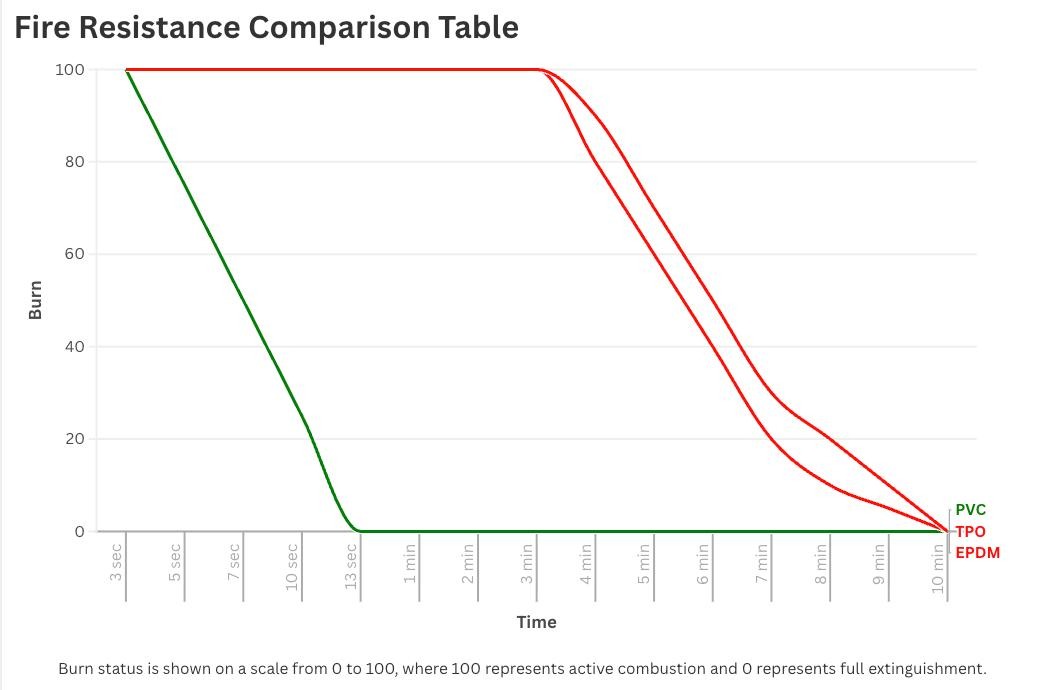
- Fire resistance - self extinguishes in 12 to 13 seconds (per Southwest Research Institute testing)
- Chemical resistance - excellent resistance to acids, grease, oils, and industrial environments
- Flexibility - doesn't become brittle like plastic TPO
- Puncture resistance - polyester reinforcement prevents damage from spreading
In Northwest Indiana's industrial corridor, near US Steel, BP Whiting Refinery, and heavy manufacturing, chemical resistance isn't optional. The acid rain from regional industry eats plastic TPO alive. Vinyl handles it beautifully.

Liquid Urethane: Seamless Protection
Liquid applied urethane coating creates a seamless, monolithic waterproofing layer. Think of it like turning your entire roof into one giant swimming pool with no seams to fail.
The advantages,
- No seams - eliminates the primary failure point of traditional roofing
- Acid resistant - handles industrial environments with ease
- Hail rated - can achieve Class 4 hail rating with proper spun flex mesh reinforcement
- Recoatable - every 20 to 30 years, just clean and apply fresh layer
This is the end-of-life scenario that actually makes environmental sense. Instead of tearing off and replacing every 15 to 20 years, you maintain and recoat. The insulation layer stays intact for 50+ years. You just refresh the waterproofing skin.
Less landfill waste. Lower lifetime cost. Better infrastructure for the next generation.

The Conklin Legacy: 48 Years of Modern Chemistry
We're Conklin Certified Contractors. Conklin has been pioneering elastomeric coatings since 1977, starting with agricultural applications, barns, massive warehouses, structures that needed to last.
Today, Conklin systems protect over 2 billion square feet of American property. That's not marketing hype. That's decades of proven performance in real world conditions.
The reason we align with Conklin is simple: their chemistry is designed for longevity. 30+ year systems that can be recoated and maintained rather than torn off and replaced. That's eco friendly at scale.
The Four Service Levels: From Patch to Replacement
We give you the full menu. We're not trying to oversell or undersell. We're trying to match the right solution to your specific roof, budget, and timeline.
Level 1: Patch and Repair
If we can patch it, everyone wins. This is the lowest cost option and the most eco friendly when it works.
But the patch needs to be professional-grade. Not the bucket-and-roller approach Kenny used with whatever he grabbed from the hardware store. We're talking about targeted repairs around high-concern areas - pipes, corners, seams, damaged sections - using materials that last decades.
Professional patching extends the life of an otherwise sound roof system for years, sometimes decades, with zero landfill waste.
Level 2: Liquid Coating System (Overcoat)
This is the sweet spot for many commercial buildings. We apply thick urethane or silicone coatings that create a seamless, monolithic waterproofing layer over your existing roof.
We seal tight around every pipe, every corner, every perimeter edge. No seams to fail. The entire roof becomes one continuous surface.
This works best on structurally sound roofs that need surface restoration. The existing insulation and deck stay in place. We're just refreshing the waterproofing layer. Minimal waste. Maximum value.
Liquid coating systems deliver 25 to 30 year performance when applied correctly. And when they need refreshing in 25 to 30 years? Just clean the surface and recoat. No tear off required.
Level 3: Overlay with Membrane
When your existing insulation is compromised but your roof deck is sound, overlay makes sense. We add a layer of thick, rigid, walkable insulation and then apply membrane or liquid coating on top.
This approach delivers multiple benefits,
- Improved insulation values - reduces HVAC costs by up to 30%
- Potential tax benefits - Section 179D energy efficiency deductions
- Fresh waterproofing - brand new roof system without tear-off disruption
- Extended roof life - 30+ years with minimal waste
The existing roof stays in place. We're building on top of it, not tearing it off. That saves thousands in disposal costs and keeps tons of material out of landfills.
Level 4: Total Tear Off and Replacement
Sometimes tear off is unavoidable. When roofs have experienced extensive moisture infiltration, structural deck damage, or have so many layers that building codes require removal, we have to start from scratch.
But we don't try to go straight to Level 4 if it's unnecessary. That's not serving you or the environment.
When tear off is required, we do it right. Quality rigid foam insulation that lasts 50+ years, premium membrane or coating systems that deliver 30+ year performance, and materials that can be recoated when needed rather than torn off again.
Even in tear off scenarios, we're breaking the planned obsolescence cycle by installing systems designed for longevity and recoatability.
Energy Efficiency: The Overlooked Eco Benefit
Here's something most people miss when thinking about eco-friendly roofing: the ongoing energy consumption of your building matters more than the one time disposal issue.
Cool Roof Technology and Reflective Membranes
When you overlay quality rigid foam insulation and apply reflective white membranes or coatings, you're creating a cool roof system that reflects solar heat rather than absorbing it.
The impact on HVAC costs is substantial. Buildings with properly insulated, reflective roof systems can reduce cooling expenses by 20 to 30% in commercial applications. That's not a one time savings, that's year after year after year.
Over a 30-year roof lifespan, the energy savings from quality insulation and reflective coatings can exceed the entire cost of the roof installation. You're literally saving money while reducing your building's carbon footprint.
Federal Energy Incentives: Section 179D
The federal government recognizes energy efficient building improvements through Section 179D tax deductions. Commercial building owners can claim up to $5 per square foot for qualifying energy improvements, including roof insulation upgrades.
When you overlay quality insulation, you're not just saving on landfill disposal and future energy costs, you're potentially qualifying for immediate tax benefits that offset your installation investment.
This is where Nance in Finance gets excited. She can allocate budget for a roof upgrade that pays for itself through energy savings and tax deductions while also being the environmentally responsible choice.
Generational Stewardship: Building Infrastructure That Lasts
Those who love the Earth also love the inhabitants thereof. We love our children. We love our grandchildren. We're trying to protect and preserve a wonderful environment for them.
What does that mean in roofing terms?
It means making choices today that don't burden the next generation with our shortsightedness. When you install cheap materials that only last 15 years, you're guaranteeing that your children or grandchildren, or the next building owner, will face an expensive tear off and replacement project.
That's not consideration. That's not stewardship.
When you invest in quality rigid foam insulation that lasts 50+ years and membrane systems that deliver 30+ years with simple recoating, you're leaving better infrastructure for the next generation. You're not forcing them to deal with your cheap choices.
The Maintenance Loop: Recoat, Don't Replace
Here's the end-of-life scenario that makes environmental and financial sense,
Year 0: Install quality rigid foam insulation and premium coating system
Year 25-30: Clean the roof surface and apply fresh urethane coating
Year 50-60: Clean and recoat again
Year 75-90: Clean and recoat again
The muscle and bones, the insulation layer, stays intact for half a century or more. You're just refreshing the skin. That's a maintenance loop, not a replacement cycle.
Compare that to the traditional approach,
Year 0: Install cheap EPS foam and plastic TPO membrane
Year 15-20: Complete tear off, fill landfill with tons of material, replace everything
Year 35-40: Another complete tear off and replacement
Year 55-60: Another complete tear off and replacement
Which approach is actually eco friendly? Which approach shows consideration for the next generation?
.png)
Northwest Indiana's Industrial Reality
Lake and Porter Counties present unique roofing challenges. We're in the industrial heartland. US Steel, BP Whiting Refinery, numerous manufacturing facilities, and heavy industry create an environment that's tougher on roofs than most regions.
Acid rain isn't hypothetical here, it's a measured reality. Atmospheric particulates, chemical emissions, and industrial byproducts settle on your roof daily. This environment accelerates the degradation of cheap plastic TPO membranes and compromises the seam adhesives in rubber EPDM systems.
In this environment, chemical resistance matters. Acid resistance matters. Fire resistance matters. That's why we don't install materials the Department of Defense considers short term solutions.
Your building deserves better than plastic wrap. It deserves better than moisture trapping rubber. It deserves modern roof chemistry that was engineered for exactly this industrial corridor.
And when we install systems designed for 30+ year performance with recoatability, we're not just serving your building, we're reducing the environmental burden on our entire region.
What Happens Next?
Understanding your options is step one. Getting an honest assessment of your specific roof is step two.
We don't show up with a predetermined pitch. We show up with moisture meters, infrared scanning equipment, and decades of combined experience. We tell you what your roof actually needs, not what generates the biggest sale.
Sometimes that's a simple repair. Sometimes it's a coating system. Sometimes it's an overlay with quality insulation. Sometimes it's a full replacement. But you'll know the truth because we'll show you the evidence.
We operate as a Gospel Business, our proceeds support community outreach and worldwide missions work. We're not trying to maximize profit per roof. We're trying to serve people well and honor God with honest work.
That means telling you when you don't need a full tear off. That means recommending overlay when it saves you money and reduces environmental impact. That means being Val's trusted validator rather than just another salesman.
The Bottom Line
The less you tear off, the more you hug the Earth.
Every overlay system keeps tons of material out of landfills. Every overcoat eliminates disposal costs while extending roof life. Every professional patch delays or prevents the need for full replacement.
But going eco friendly doesn't mean going cheap. Cheap EPS foam guarantees future tear offs. Cheap membrane systems fail in 15 to 20 years. Cheap choices burden the next generation with your shortsightedness.
True eco friendly roofing means,
- Quality rigid walkable foam insulation that lasts 50+ years
- Premium membrane or coating systems designed for 30+ year performance
- Recoatable systems that create a maintenance loop rather than a replacement cycle
- Energy-efficient cool roof technology that reduces HVAC costs by 20 to 30%
- Infrastructure that serves the next generation, not just this quarter's budget
Bill the Building Owner, Nance in Finance, Meg the Manager, Kenny the Can-Do, and Val the Validator, all five of you care about making wise decisions. You all appreciate clean air and clean water. You all want to leave things better than you found them.
Now you understand the options. Now you understand why overlay and overcoat systems aren't just cost effective, they're environmentally responsible.
Your building is a significant investment. Your roof is its first line of defense. The choices you make today impact your budget, your energy costs, and the planet's landfills for decades to come.
Make decisions based on data and long-term thinking, not dated assumptions and cheap shortcuts.
Related Resources
For more information on protecting your commercial investment and making environmentally responsible choices,
- Finding the Right Commercial Roofing Solution
- The Four Party Warranty Responsibility Matrix | Who Actually Pays When Your Roof Fails?
- Commercial Roof Warranties Explained | Protection Beyond the Installation
- The Complete Guide To Commercial Roofing Materials | Durability Meets Cost Effectiveness
- Before You Fix the Roof, Fix the Conversation
Deep Dive Into Specific Topics
- YourWarrantySaysWhat.com (Loophole analysis)
- SiliconeIsSilly.com (Why we don't do silicone)
- WeWashFlatRoofs.com (Maintenance matters)
- BigBeautifulRoofBill.com (Transparent pricing guide)
- ModernRoofChemistry.com (What's going on up there?)
- SchoolEnergyRebates.com (Energy grants for schools)
- RelationshipRoofing.com (What matters more?)
- MeetYourInstallers.com (Fabulous families)
- RoofServiceMenu.com (What are my options?)
- TenantRoofRights.com (Tenant questions)

Read other blog:

We Love Conversations
 SoHelpful@PristineIndustrialRoofing.com