
How Do Winter Weather and Ice Impact Commercial Roofs?
Understanding Snow Load Dangers, Ice Formation, and Long-Term Structural Protection | The Season That Breaks Roofs While Everyone’s Watching the Snow
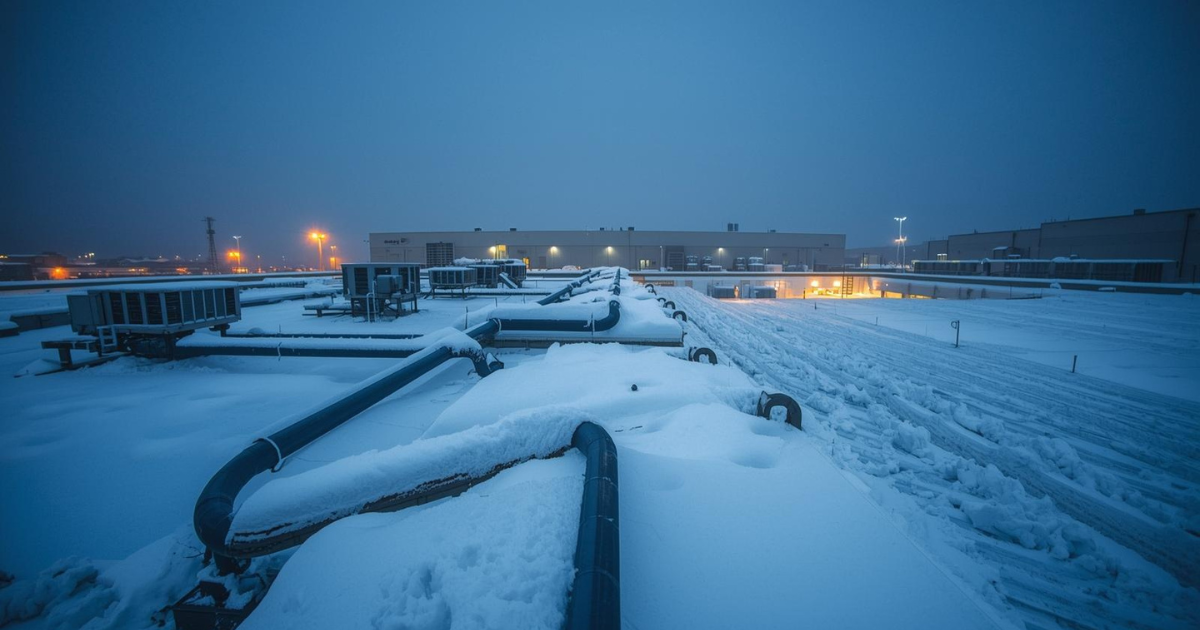
Winter weather and ice don't just sit on your commercial roof, they attack it systematically. Here's what you need to know.
🔲 Snow accumulation can quietly crush your roof structure before you notice visible sagging
🔲 Freeze-thaw cycles pry apart seams and create hidden leaks that multiply every season
🔲 Blocked drains and ice dams transform flat roofs into waterlogged disaster zones overnight
🔲 Proactive inspections and strategic snow removal protect your building and prevent catastrophe
Most commercial building owners wait until they see ceiling stains or structural sagging. By then, the damage is already severe. Download our winter roof protection checklist to stay ahead of problems rather than react to emergencies.
Stop Treating Winter Like a Minor Inconvenience
The call came in at 2:47 AM on a Tuesday in February. Mike Chen, facilities manager for a 42,000-square-foot distribution center in Munster Indiana, was jolted awake by his phone. The overnight security guard noticed something alarming: a visible sag in the warehouse's flat roof, right above the loading bay.
By the time Mike arrived thirty minutes later, he could see what the guard meant. Nearly three feet of accumulated snow from back-to-back storms sat on the roof. The recent temperature swing from 15°F to 35°F had turned the bottom layers into dense, waterlogged slush. What started as relatively light, fluffy powder had become a crushing burden.
Mike's story isn't unique. Every winter, commercial building owners face a silent threat that accumulates inch by inch, often invisible from ground level until it's too late.
Here's what most people don't realize: winter weather doesn't just inconvenience your building. It wages systematic war on your roof structure.

Why Commercial Roofs Lose the Winter Battle
Commercial roofing systems face fundamentally different challenges than residential roofs. While a steeply pitched home roof sheds snow naturally through gravity, most commercial buildings feature flat or low-slope designs that essentially create platforms for winter weather to settle and stay.
The problem compounds over time. That first snowfall might seem innocent, a white blanket covering your building. But when the second storm arrives before the first has melted, then a third, then freezing rain, then another dump of snow, you're no longer dealing with simple precipitation. You're managing layers of frozen history, each with different densities, moisture contents, and structural implications.
Temperature fluctuations make everything worse. During the day, sunshine warms the roof enough to partially melt snow. At night, temperatures plummet, and that meltwater becomes ice. This freeze-thaw cycle doesn't happen once or twice. It occurs dozens of times throughout winter, each iteration adding stress to roofing materials never designed for such punishment.
The Roofs That Suffer Most
Not all commercial roofing systems struggle equally with winter conditions.
Flat roofs (technically defined as having a slope of less than 2:12) face the greatest challenges. Without significant pitch to encourage drainage, these roofs collect and hold snow like a bowl holds soup. The weight concentrates in valleys, corners, and anywhere the structural design creates natural collection points.
Low-slope membrane roofs, popular for their cost-effectiveness and ease of installation, present their own vulnerabilities. These single-ply systems, whether TPO, PVC, or EPDM rubber, rely on seams and adhesives that winter temperatures stress relentlessly. When ice forms along these seams, it gradually works them apart like a slow-motion chisel.
Metal roofing systems handle snow differently but aren't immune to problems. While their slick surfaces shed snow more readily than membrane systems, this creates sudden avalanches of accumulated snow sliding off all at once. That's a serious safety hazard for anyone walking below. Metal's high thermal conductivity means it responds dramatically to temperature changes, expanding and contracting in ways that loosen fasteners and create gaps over time.
Older built-up roofs with multiple layers of tar and gravel face perhaps the most insidious winter threat. Years of patching and layering create an uneven surface where water pools. When this water freezes, it seeks out every tiny crack and imperfection, expanding as it solidifies and widening vulnerable spots with each freeze-thaw cycle.
Understanding Snow Load: When Weight Becomes Danger
Here's something most building occupants never consider snow weighs significantly more than you think, and its weight varies dramatically based on its condition.
Fresh, fluffy snow might weigh only five to seven pounds per cubic foot. Picture that first gentle snowfall where flakes drift down like feathers. A foot of this light snow across a 10,000-square-foot roof adds roughly 3,000 to 4,000 pounds. That's manageable for most commercial structures.
But snow doesn't stay fluffy. As it sits on your roof, compacted by its own weight and subsequent snowfalls, its density increases. That same cubic foot of packed snow can weigh fifteen to twenty pounds. Now your roof is supporting 8,000 to 10,000 pounds per foot of depth.
The real danger comes with wet, heavy snow or ice. A cubic foot of ice-saturated snow can weigh up to thirty pounds or more. Just two feet of this heavy snow across that same 10,000-square-foot roof translates to over 300 tons of additional weight pressing down on your building's structural supports.

Why Building Codes Aren't Enough
Building codes account for this through snow load requirements, specifications that dictate how much weight your roof must safely support based on your geographic location. In Buffalo, New York, roofs must handle much higher loads than those in Nashville, Tennessee.
However, these codes calculate expected maximum loads based on historical weather patterns. Recent winters have repeatedly exceeded historical norms.
The real issue isn't just total weight. It's uneven distribution. Snow drifts against rooftop HVAC units, piles up on the leeward side of buildings, and accumulates in roof valleys. This creates point loads, concentrated weight in specific areas that can stress structural members beyond their design limits even when the total snow load across the entire roof remains within acceptable parameters.
How Ice Takes Hold and Destroys Slowly
Ice formation on commercial roofs follows a predictable but destructive pattern. It begins with the roof's surface temperature. Even on freezing days, heat escaping from inside the building warms the roof deck slightly. This warmth melts the bottom layer of accumulated snow, creating water that either drains away or, more problematically, stays put.
When temperatures drop at night, this water freezes solid. But unlike snow, which contains air pockets, ice is dense and adheres directly to roofing materials. It grips seams, surrounds fasteners, and locks onto membrane surfaces with surprising tenacity.
Ice Dams on Flat Roofs
On flat commercial roofs, ice dams form differently than on sloped residential roofs but cause similar headaches. Water melting from snow has nowhere to go if drains are blocked or frozen. It spreads across the roof surface until it finds the roof's edge, where it freezes into thick ridges. These ridges trap subsequent meltwater, creating expanding pools of standing water that freeze solid when temperatures drop again.
The membrane roofs common in commercial construction face particular ice-related challenges. These roofing systems depend on carefully sealed seams to remain watertight. Ice forming along these seams exerts outward pressure as it expands. Water increases in volume by roughly nine percent when it freezes. This expansion might seem small, but repeated hundreds of times over a winter season, it gradually separates seams and creates pathways for water infiltration.
Insulation systems beneath the roof membrane complicate matters further. Poor or uneven insulation creates warm spots where snow melts preferentially, leading to ice formation in specific areas while other sections remain frozen solid. These thermal irregularities essentially draw a map of your building's heat loss, with ice marking every spot where expensive conditioned air escapes through the roof.

When Ice Becomes a Structural Threat
The progression from nuisance to emergency happens gradually, then suddenly.
It might start with a maintenance worker noticing that interior ceiling tiles seem slightly lower than usual. Or perhaps someone observes cracks in interior walls that weren't there last month. Sometimes the first real sign is water staining on ceilings far from any known roof penetration.
The Warning Signs Escalate Predictably
Roof sagging represents a building crying for help. Commercial roof structures, whether bar joists, beams, or trusses, have specific load limits. When ice and snow exceed these limits, structural members begin to deflect. At first, this deflection might be barely perceptible, perhaps an inch or two across a large span.
But deflection creates a mechanical disadvantage. The sagging area becomes a basin that collects even more snow and water, which increases the load, which causes more deflection, which creates deeper basins. This feedback loop explains why roof collapses often occur during thaws rather than during the heaviest snowfalls.
As temperatures rise, snow absorbs water like a sponge. That relatively light, dry snow that your roof was managing suddenly doubles or triples in weight. The structure that held twenty tons of dry snow fails under thirty-five tons of saturated slush.
Watch for these escalating warning signs
- Doors and windows that stick or won't close properly indicate structural movement
- New cracks in walls, particularly around door frames and corners, suggest the building's frame is shifting under load
- Popping or cracking sounds from the roof structure, especially at night when temperatures drop, signal that structural members are stressed beyond their comfort zone
Older buildings or those with deferred maintenance face compounded risks. A roof structure showing minor deterioration from years of weather exposure might handle typical snow loads adequately. But extraordinary loads from severe winter weather can find and exploit every weakness: corroded connections, moisture-damaged wood decking, or fasteners loosened by decades of thermal cycling.

The Drainage Disaster Nobody Talks About
Blocked drains might sound like a minor inconvenience, but on commercial flat roofs, they represent a critical failure point.
Most commercial buildings rely on interior drains, scuppers, or gutters to remove water from the roof surface. When ice blocks these drainage paths, water has nowhere to go.
Picture what happens: snow melts during the day, creating runoff that flows toward drains. But those drains are surrounded by ice from previous freeze-thaw cycles, or completely blocked by frozen debris. The water spreads across the roof, seeking any low point. It pools around rooftop equipment, floods roof valleys, and accumulates to dangerous depths.
Why Standing Water Is Your Enemy
A single inch of standing water across a 10,000-square-foot roof adds more than 5,000 pounds of weight. But the real danger isn't just weight. It's the freeze-thaw cycle.
That standing water freezes overnight into a solid sheet of ice. The next day's melt adds another layer of water on top. This process repeats, creating ice layers that can reach several inches thick, transforming your roof into a skating rink that weighs tons.
Scuppers, the drainage openings at roof edges, freeze shut easily because they're exposed to cold air on both sides. Ice forms around the opening, gradually narrowing it until no water can pass. Even when partially blocked, scuppers can create waterfalls during rain or rapid thaw events, with thousands of gallons cascading off the roof in uncontrolled streams that damage walls, erode landscaping, and create slip hazards below.
The Long Game: Cumulative Winter Damage
The real story of winter damage on commercial roofs isn't written in single catastrophic events. It's written in the accumulated toll of many seasonal cycles. Each winter leaves its mark, and these marks compound over time.
Membrane roofing materials undergo constant stress from temperature swings. A black EPDM roof might reach 170°F on a sunny summer afternoon, then drop to -20°F on a January night. That's a 190-degree temperature range demanding expansion and contraction from materials asked to remain flexible yet durable.
Add ice formation into this equation, ice that grips the membrane surface and resists its natural thermal movement, and you create tears. These tears appear particularly at seams, corners, and penetrations.
Flashing: Your Roof's Weakest Link
Flashing around roof penetrations, vents, pipes, HVAC curbs, represents the roof system's weakest links. These are the spots where different materials meet and must form waterproof bonds.
Winter ice attacks these junctions mercilessly. Water melting from snow finds every microscopic gap in flashing seals, then freezes and expands, widening the gaps. Next season's snow finds these slightly enlarged openings and exploits them further. Within five or six winters, flashing that was perfectly installed can fail completely, allowing water infiltration that damages insulation, ceiling systems, and building contents.
The aging acceleration is measurable. A commercial roof system designed for a twenty-year service life might achieve that lifespan in moderate climates. That same roof in severe winter conditions might need replacement in fifteen years or less. Each winter literally ages the roof by more than a year's worth of typical wear.
Protecting Your Investment: What Actually Works
Understanding winter's impact on commercial roofs is only valuable if it drives action. The buildings that survive winter after winter without crisis share common characteristics: proactive maintenance, adequate structural capacity, and robust drainage systems that remain functional even in extreme conditions.
Mike Chen's story from the beginning of this article had a fortunate ending. He called a structural engineer at 3:15 AM, who arrived by 5:00 AM with equipment to assess the roof's condition. By 7:00 AM, they had crews carefully removing snow from the most stressed sections. The roof held, and the building remained operational.
But Mike learned his lesson. Now he implements,
- Pre-winter roof inspections to identify and repair vulnerabilities before snow arrives
- Clear snow-removal triggers based on accumulation depth rather than waiting for visible problems
- Heated drain lines that prevent ice blockages
- Regular monitoring during winter storms to catch problems early
His annual roof maintenance budget increased, but his risk of catastrophic failure dropped to near zero.
The Four Level Protection Strategy
Smart building owners don't wait for problems. They implement a tiered approach,
Level 1: Prevention Through Inspection Schedule professional roof inspections in October before winter arrives. Identify and repair vulnerable seams, flashing, and drainage systems. Clear all drains and verify proper water flow.
Level 2: Monitoring During Winter Establish snow accumulation triggers. Most experts recommend snow removal when accumulation reaches 12 to 18 inches, or sooner if snow is wet and heavy. Don't wait for visible sagging.
Level 3: Strategic Snow Removal Hire professionals who understand roof structures. Improper snow removal damages roofing materials. Never allow workers to use sharp tools or heavy equipment directly on membrane surfaces.
Level 4: Drainage System Protection Install heated drain lines or implement manual drain clearing protocols during freezing weather. Verify scuppers remain open. Remove ice dams promptly before they grow.

Modern Solutions for Winter Protection
Technology has evolved beyond "wait and hope." Modern commercial roofing systems offer winter-specific protections that older roofs lack.
Liquid coating systems create seamless, monolithic surfaces without seams for ice to attack. These coatings flex with temperature changes and resist freeze-thaw damage better than traditional membranes. Acrylics and urethanes are excellent against ice.
Improved insulation reduces heat loss that creates preferential melting patterns. Uniform insulation eliminates hot spots and reduces ice formation.
Smart drainage systems incorporate heat trace cables and temperature-activated mechanisms that keep water flowing even in extreme cold.
Structural monitoring systems use sensors to measure roof deflection in real-time, alerting building managers before dangerous sagging develops.
But don't take our word for it. Research what modern solutions exist. Compare them against what your current roof offers. The gap between 1990s roofing technology and today's solutions is massive.
The Bottom Line: Winter Doesn't Give Warnings
Winter will always challenge commercial roofing systems. Snow will accumulate, ice will form, and temperatures will swing from bitter cold to temporary thaw and back again.
The buildings that survive and thrive are those whose owners understand these challenges and address them before that 2:47 AM phone call comes.
Your commercial roof is more than waterproofing. It's a structural system that protects everything beneath it: your inventory, your equipment, your employees, your operations. Treat it accordingly, especially when winter weather tests its limits.
The cost of prevention is always less than the cost of emergency repairs, business interruption, and potential catastrophe. That's not a sales pitch. That's just mathematical reality.
Don't wait for visible sagging, ceiling stains, or structural cracks. By then, you're already in crisis mode paying emergency rates for reactive solutions rather than preventive maintenance.
Make winter your friend through preparation. Or make it your enemy through neglect. The choice is yours, but the consequences are predictable.
Ready to Winterize Your Commercial Roof?
Download our complete winter roof protection checklist with inspection guidelines, snow removal triggers, and emergency response protocols. See what successful building owners do differently.
Where should we send your winter protection checklist?
Your Name: _____________________________________________
Your Email: _____________________________________________
Building Address (if you’d like a free roof assessment): ___________________
Number of Buildings You’re Responsible For: _____________
- Yes, send me helpful roofing insights and maintenance tips
- Yes, I’d like someone to take a look at my building
We respect your inbox. You’ll only receive genuinely helpful information about protecting your commercial property. No sales pressure, no spam. Unsubscribe anytime.
Related Resources for Commercial Building Owners
For more information on protecting your commercial investment and making smart roofing decisions,
- The Four Party Warranty Responsibility Matrix | Who Actually Pays When Your Roof Fails?
- Commercial Roof Warranties Explained | Protection Beyond the Installation
- The Complete Guide To Commercial Roofing Materials | Durability Meets Cost Effectiveness
- Before You Fix the Roof, Fix the Conversation
Deep Dive Into Specific Topics
- YourWarrantySaysWhat.com (Loophole analysis)
- SiliconeIsSilly.com (Why we don't do silicone)
- WeWashFlatRoofs.com (Maintenance matters)
- BigBeautifulRoofBill.com (Transparent pricing guide)
- ModernRoofChemistry.com (What's going on up there?)
- SchoolEnergyRebates.com (Energy grants for schools)
- RelationshipRoofing.com (What matters more?)
- MeetYourInstallers.com (Fabulous families)
- RoofServiceMenu.com (What are my options?)
- TenantRoofRights.com (Tenant questions)

Read other blog:
We Love Conversations
 SoHelpful@PristineIndustrialRoofing.com